Is Townsend DE Small Town Living Right for You?
June 25, 2026
June 25, 2026
If you are looking for a place that feels quieter, more grounded, and still connected to everyday essentials, Townsend may already be on your radar. For many buyers, the appeal is simple: you want room to breathe, a sense of place, and a community that does not feel lost in fast growth. This guide will help you understand what small-town living in Townsend, DE really looks like, from housing and parks to walkability and daily convenience. Let’s dive in.
Townsend describes itself in official planning documents as a historic, small-town rural community. That identity shows up most clearly in the original town area, where the compact core centers on Railroad Avenue and Main Street.
The town’s planning vision puts real focus on preserving that atmosphere. Rather than leaning into generic suburban growth, town documents emphasize a community character built around walkability, short blocks, sidewalks, street trees, and pedestrian-oriented design.
For you as a buyer, that means Townsend offers more than just a mailing address. It offers a setting where the physical layout of the town still supports a slower, more connected pace of life.
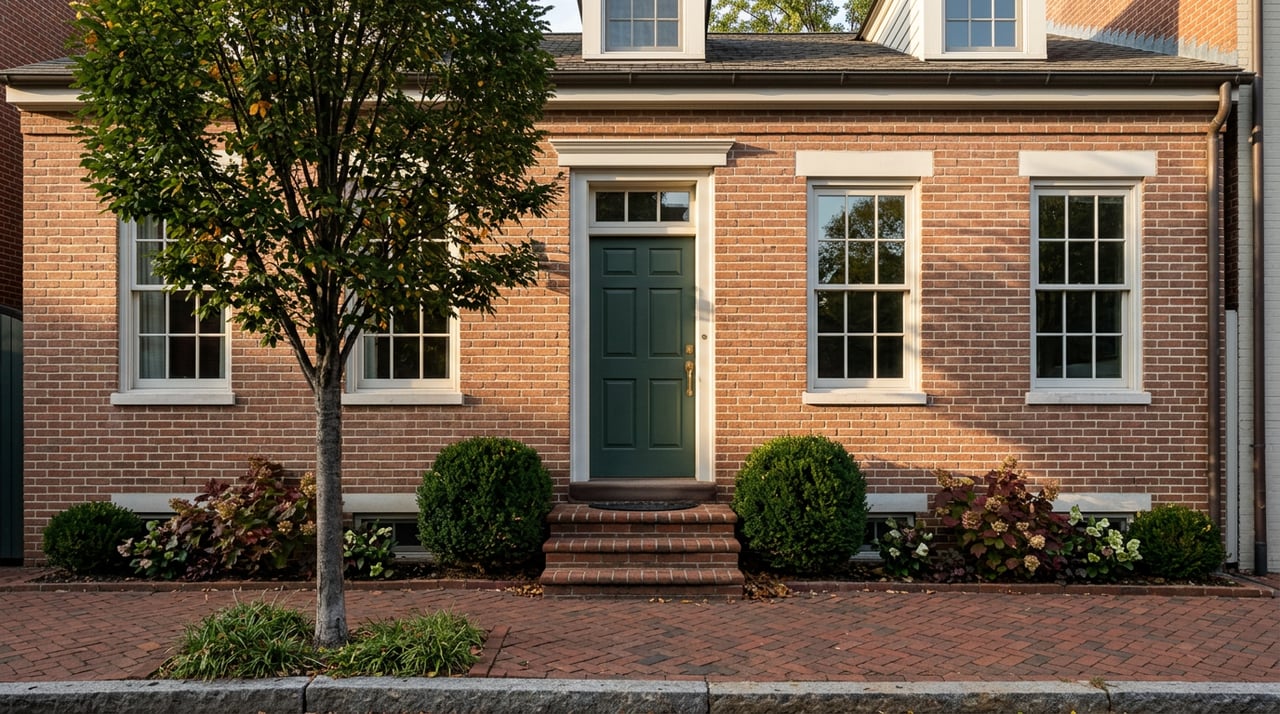
One of the biggest draws in Townsend is its historic district. According to town planning documents, the district covers most of the original town and includes buildings dating to around 1840.
You can also see a range of architectural styles in that area. The town specifically notes Victorian and Queen Anne influences, along with bungalows and other traditional forms that give the older core a distinct look.
If you are drawn to homes with porches, gables, dormers, or bay windows, the original part of Townsend may stand out. These design details help create the kind of streetscape many buyers picture when they think about classic small-town living.
Townsend is still overwhelmingly a single-family home community. Town documents report that detached homes make up the vast majority of the housing stock, with figures ranging from 94.9 percent to 97.4 percent depending on the plan update.
That matters if you are searching for a traditional residential setup with more private outdoor space and a neighborhood feel shaped by single-family homes. Attached and multifamily options do exist, but they are much less common.
The housing stock is also split between older homes and newer development. About 72.6 percent of homes were built between 2000 and 2019, while 15.9 percent were built before 1960.
In practical terms, you may be choosing between two different lifestyles:
Neither option is automatically better. It really depends on whether you value historic character, newer construction features, lot layout, and the level of maintenance you are comfortable with.
If you love the idea of a historic home, Townsend gives you that opportunity. The tradeoff is that older homes can require more upkeep than newer construction, which is a normal part of owning property in an older town center.
Newer homes may offer a different kind of appeal. You may find more modern floor plans, updated systems, and the predictability that many buyers want when balancing budget, repairs, and move-in timing.
A good local strategy is to look beyond square footage alone. In Townsend, the real decision often comes down to which setting fits your day-to-day life best.
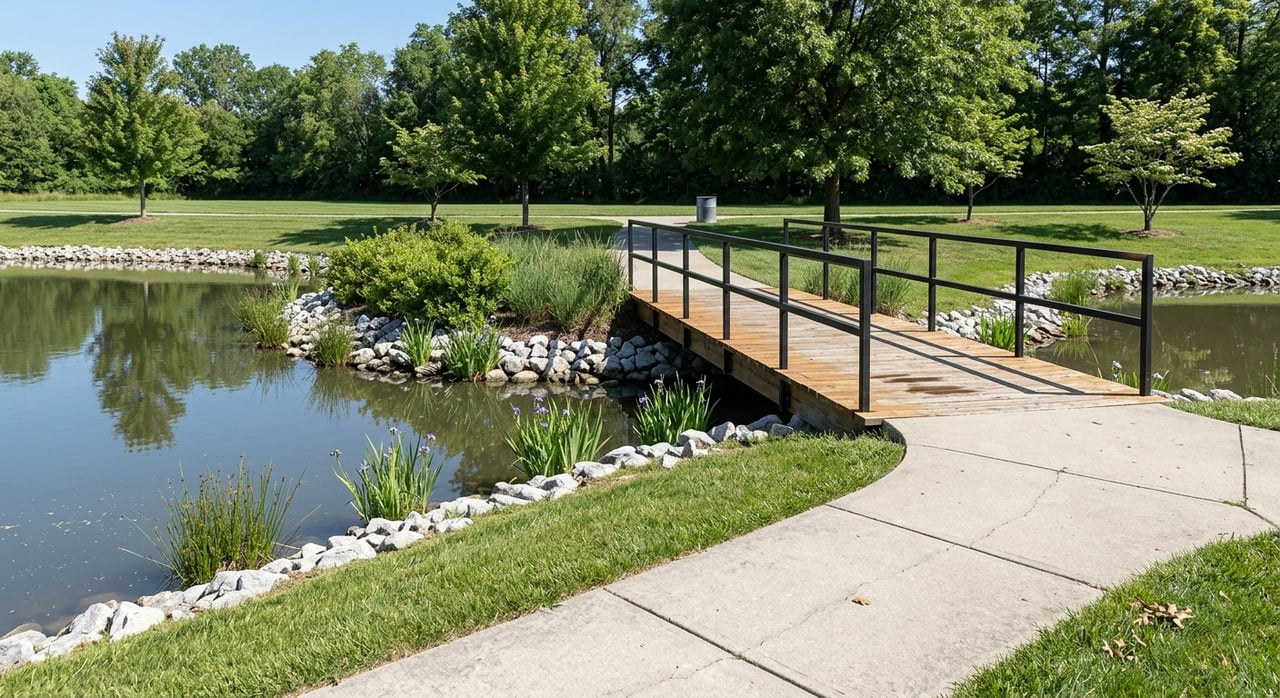
Small-town living often feels most real when you can enjoy public spaces close to home. In Townsend, the main in-town park asset is Townsend Municipal Park on Edgar Road.
The town’s comprehensive plan describes it as an 11.5-acre park. Town materials also list amenities that include a playground, basketball court, skatepark, pavilion, gazebo, and multipurpose field.
For buyers comparing communities, that matters because recreation is part of your routine, not just a weekend extra. Having a central park with multiple uses can make everyday life feel more flexible and more connected.
Townsend also has a strong environmental identity. The town states that it was the first community in Delaware and the 42nd in the nation to earn National Wildlife Federation Community Wildlife Habitat certification.
That recognition supports the town’s public emphasis on natural spaces and habitat-friendly projects. The town highlights wildlife and butterfly gardens at Town Hall and Town Park, which adds another layer to the community’s character.
For you, this may translate into a place that values outdoor stewardship as part of civic life. It is one more reason Townsend feels distinct from places shaped only by growth and traffic patterns.
A small town is not just about architecture or lot sizes. It is also about whether people have reasons to gather, celebrate, and stay involved.
Townsend’s planning documents and town updates point to several community events, including Town Fair, Movie Night, Easter Egg Hunt, Christmas Caroling, Community Clean Out Day, and Community Yard Sale. The town has also posted feedback items tied to a Town Fair and Music Festival.
These kinds of events can make a difference when you are deciding where to live. They create regular touchpoints in the calendar and give residents simple ways to participate in community life.
Small-town living does not have to mean giving up practical convenience. In Townsend, commercial activity is centered around Main Street and Summit Bridge Road, also known as SR 71.
Town materials also show how closely the community connects to the regional road network through Route 1, Route 13, Route 71, and Route 299. That regional access is an important part of the town’s appeal.
For many buyers, this balance is the key. You can enjoy a quieter local setting while still staying connected to the broader area for work, shopping, and daily errands.
Townsend is located within the Appoquinimink School District. For households with younger students, two in-town school locations add day-to-day convenience.
Townsend Elementary, located at 126 Main Street, serves grades 1 through 5. Townsend Early Childhood Center, located at 10 Brook Ramble Lane, serves kindergarten.
If your routine includes school drop-offs and pick-ups, that in-town access may be a meaningful practical benefit. It is one more example of how Townsend combines small-town scale with useful everyday function.
Townsend can appeal to different types of buyers, but a few groups may especially connect with what it offers.
You may appreciate Townsend if you are looking for:
It may also be a strong fit if you value neighborhoods that feel intentional. Townsend’s planning documents make it clear that the town cares about preserving its character as it grows.
Like any move, buying in Townsend comes down to fit. A great first step is identifying whether you are more drawn to the historic core or to newer neighborhoods.
You should also think about your tolerance for maintenance, your preferred home style, and how important walkability or park access is to your routine. In a town like Townsend, those lifestyle details can shape your experience just as much as the house itself.
If you are comparing Townsend with other communities in the Middletown area, it helps to look at the town through both a lifestyle lens and a practical one. The right choice is the one that matches how you actually want to live each day.
Townsend offers a version of small-town living that feels increasingly hard to find: historic roots, a walkable core, mostly single-family homes, public green space, and a community identity that residents and town leaders actively want to preserve. If you are thinking about buying, selling, or relocating in Townsend or the surrounding area, Myking Johnson can help you explore your options with local guidance that fits your goals.
Stay up to date on the latest real estate trends.

When working with Myking, know that her time and expertise will be completely devoted to you. She will collaborate with you to keep you informed every step of the way until your home ownership objectives are met. Call her or send her an email to get started!
Get In Touch With Our Team To Learn More
Myking Johnson, Licensed in Delaware
Phone: (215) 531-2301
Office: (855) 450-0442
Email: [email protected]
Address: 200 Continental Dr. Ste 401 Newark, DE, 19713