Comparing New vs Old Neighborhoods in Middletown, DE
July 16, 2026
July 16, 2026
Wondering whether a brand-new community or a more established neighborhood is the better fit in Middletown? You are not alone. Many buyers find themselves choosing between newer homes with amenities and older neighborhoods with more variety, and the right answer usually depends on your budget, commute, and comfort with HOA rules. This guide will help you compare the tradeoffs so you can move forward with more confidence. Let’s dive in.
Middletown has grown well beyond its original one-square-mile core and now spans about 13 square miles. The town’s housing mix includes starter homes, larger homes, and historic homes, which gives you a wider range of options than you might expect in one market.
Location matters here because Middletown is car-dependent, with a walk score of 29, a bike score of 41, and no rail station. That means your neighborhood choice is often tied closely to Route 1 access, daily driving patterns, and how much convenience you want built into the community itself.
For many buyers, school assignment is also part of the neighborhood decision from the start. The town says education in Middletown is provided by the Appoquinimink School District, so buyers often compare communities with that in mind while narrowing down where to live.
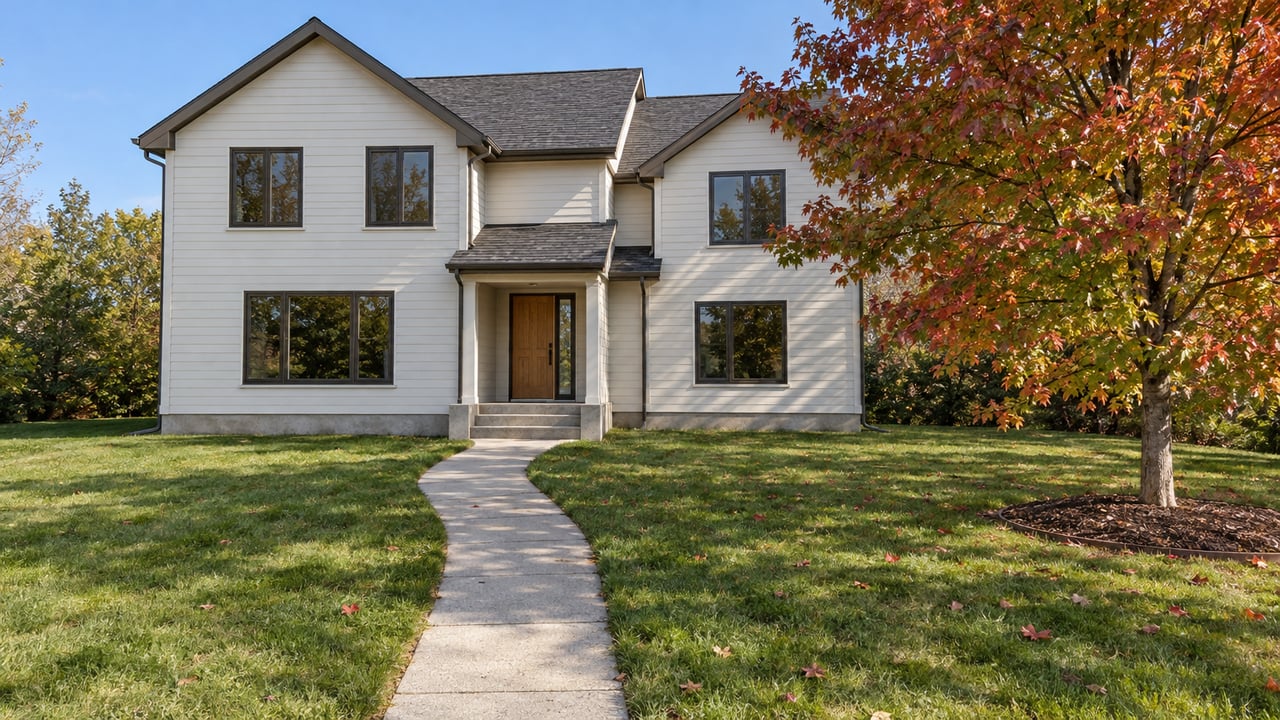
In Middletown, newer planned communities often come with more recent construction dates, more uniform streetscapes, and HOA-managed amenities. These neighborhoods can appeal to buyers who want a more turnkey feel and less immediate updating.
The Bayberry communities are a strong example. In Village of Bayberry North, current listings include homes built in 2012, 2018, 2021, and 2022, with lot sizes roughly from 0.19 acre to 0.32 acre and HOA fees around $58 per month. Realtor.com reports a median listing price of $594,999 there, while current listings range from about $435,000 for a townhouse to about $629,900 for a detached home.
Village of Bayberry South also reflects the newer-build profile. One current listing shows a 2022 home on a 0.2-acre lot with HOA fees of about $47 per month and an asking price of $669,900.
If amenities are high on your list, The Ponds at Bayberry South stands out. This community has 569 homes on 450 acres, plus a 10,000-square-foot clubhouse, pool, pickleball, bocce, fitness and meeting space, and miles of walking and biking trails. A sample 2018 home there was listed at $540,000 on a 0.26-acre lot with HOA fees of $188 per month.
Parkside sits at the higher end of Middletown’s newer planned communities. Realtor.com shows a median listing home price of $764,000, with current listings around $685,000 to $979,000 and lot sizes from about 7,405 square feet to 0.45 acre. Listing pages also describe amenities such as a clubhouse, pool, fitness center, tennis courts, and playgrounds.
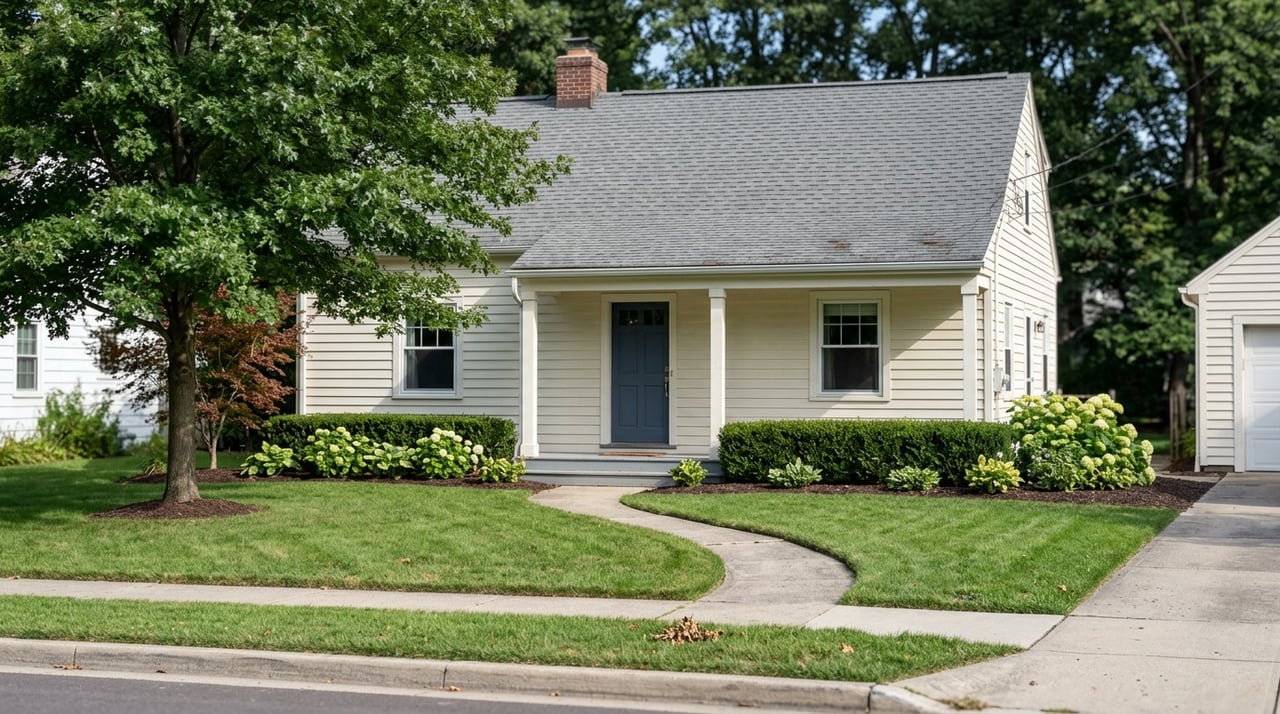
Established neighborhoods in Middletown tend to be less uniform and more varied from one street to the next. You may find smaller in-town lots, mature landscaping, different home styles, and in some cases little or no HOA structure.
Middletown Village is one example of that range. A current townhouse example built in 1999 is listed at $299,000 on a 0.05-acre lot, and the listing shows no HOA. Other sample listings in the same area show lots around 0.11 acre and 0.22 acre, which highlights how much variation can exist within an older neighborhood.
Dove Run offers a different type of established setting. The community says it has 298 deed-restricted homes off Route 299 and is walking distance to Dove Run Shopping Center, Brick Mill Elementary, and Middletown High School, with Route 1 just minutes away. A current listing there shows a 2004 home on a 0.29-acre lot with annual HOA fees of $65 and an asking price of $540,000.
Springmill is another established option, but it serves a different buyer profile as a 55-plus community. It includes 362 homes on well-spaced lots, along with a clubhouse, pool, tennis and pickleball, bocce, horseshoe pits, walking paths, and maintenance services. A sample home there was built in 2004 on a 0.16-acre lot, with HOA fees of $150 per month and an estimated value around $421,900.
The main choice is usually not about which type of neighborhood is better. It is about which set of tradeoffs fits your life best.
Newer planned communities in Middletown often come with higher prices and recurring HOA costs. Bayberry North and Bayberry South examples show monthly fees in the roughly $47 to $58 range, while amenity-rich communities such as The Ponds at Bayberry South can run about $188 per month.
Established neighborhoods may offer a lower entry point or lower monthly overhead, depending on the community. Middletown Village’s no-HOA townhouse example at $299,000 and Dove Run’s annual HOA assessment of $65 show how different the cost structure can be.
Newer homes often appeal to buyers who want contemporary layouts and fewer immediate projects. If you prefer a home that feels current from day one, a newer community may check that box more easily.
Established neighborhoods can offer more variety, but with that variety comes a wider range of updates and condition. One home may be fully refreshed, while another may need cosmetic or system upgrades over time.
If you want built-in amenities, newer communities often deliver more. Clubhouses, pools, fitness spaces, trails, courts, and playgrounds show up repeatedly in Middletown’s newer planned neighborhoods.
Established neighborhoods vary more. Some have simple HOA structures with modest fees, and others offer fuller amenity packages, such as Springmill. It is worth looking beyond the label of “older” or “newer” and reviewing what each specific community actually includes.
Lot size can shift your experience more than buyers expect. In the newer communities sampled here, many lots fall around 0.19 to 0.32 acre, with some Parkside lots approaching 0.45 acre.
Established examples show a broader spread. You might see a compact 0.05-acre townhome lot in Middletown Village, a 0.16-acre lot in Springmill, or a 0.29-acre lot in Dove Run. In practice, newer neighborhoods often feel more consistent, while older ones may feel more mixed in size and style.
HOA fees are only part of the story. You also want to know how much control the association has over exterior changes, maintenance expectations, and approval processes.
For example, Dove Run requires HOA approval for exterior projects, which is a useful reminder that established neighborhoods can still have meaningful restrictions. If you want more freedom to change landscaping, paint colors, fencing, or exterior features, reviewing deed restrictions early can save you frustration later.
Because Middletown is car-dependent, commute pattern is a major part of the neighborhood decision. Communities that emphasize Route 1 access may be especially appealing if you drive toward Wilmington, Newark, or the I-95 corridor on a regular basis.
Dove Run and the Bayberry communities both highlight access to Route 1. Springmill is off Route 71 just north of town and about 15 miles south of I-95. If daily driving is a big part of your life, travel time may matter just as much as the home itself.
A newer neighborhood may be the better match if you want a more predictable look, newer construction, and a stronger amenity package. You may also prefer it if you want fewer near-term updates and do not mind paying HOA fees for that structure and convenience.
An established neighborhood may fit better if you want more price variation, more architectural variety, or less monthly overhead. It can also be a strong option if you are comfortable evaluating condition and deciding whether a home’s updates match your plans.
In Middletown, your best move is usually to compare neighborhoods through four filters:
When you tour homes, try not to judge only by age or appearance. A newer home with high HOA fees may cost more over time than an older home with no HOA. On the other hand, an established home with a lower price may need updates that change the math.
It helps to compare each option as a full lifestyle package. Look at the home, the lot, the fee structure, the rules, the commute, and the amenities together. That approach usually leads to a clearer decision than focusing on list price alone.
If you are weighing newer versus established neighborhoods in Middletown, having local guidance can make the process much easier. Myking Johnson can help you compare communities, understand the numbers, and find the right fit for your goals.
Stay up to date on the latest real estate trends.

When working with Myking, know that her time and expertise will be completely devoted to you. She will collaborate with you to keep you informed every step of the way until your home ownership objectives are met. Call her or send her an email to get started!
Get In Touch With Our Team To Learn More

Myking Johnson, Licensed in Delaware
Phone: (215) 531-2301
Office: (855) 450-0442
Email: [email protected]
Address: 200 Continental Dr. Ste 401 Newark, DE, 19713