Selling A Character Home In New Castle, DE
July 9, 2026
July 9, 2026
Thinking about selling an older home in New Castle? If your property has original details, a notable streetscape presence, or sits within the historic district, you are not selling just another house. You are selling a home with context, documentation needs, and buyer questions that can shape price, timing, and confidence. This guide will help you understand what matters most so you can present your home clearly and move forward with fewer surprises. Let’s dive in.
New Castle’s historic core is a special setting, not just a collection of older houses. Delaware SHPO describes the city’s well-preserved historic district as including original structures built between 1698 and 1873, with examples of Dutch Colonial, Georgian, Federal, and Greek Revival architecture.
That matters when you sell because buyers often respond to more than the interior square footage. In New Castle, the home’s setting, façade, and relationship to the street can play a major role in how the property is perceived.
City guidance also makes it clear that the district’s character is tied to layout and streetscape. In other words, your home is often judged as part of a larger visual story, not as an isolated property.
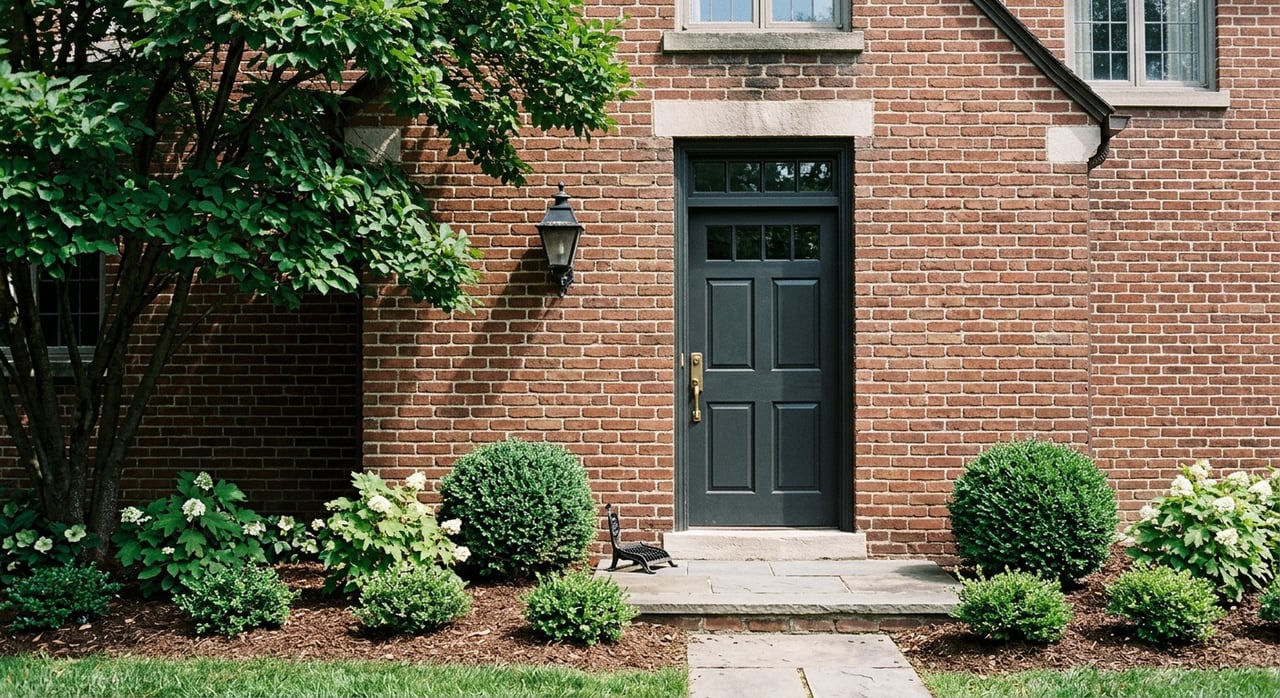
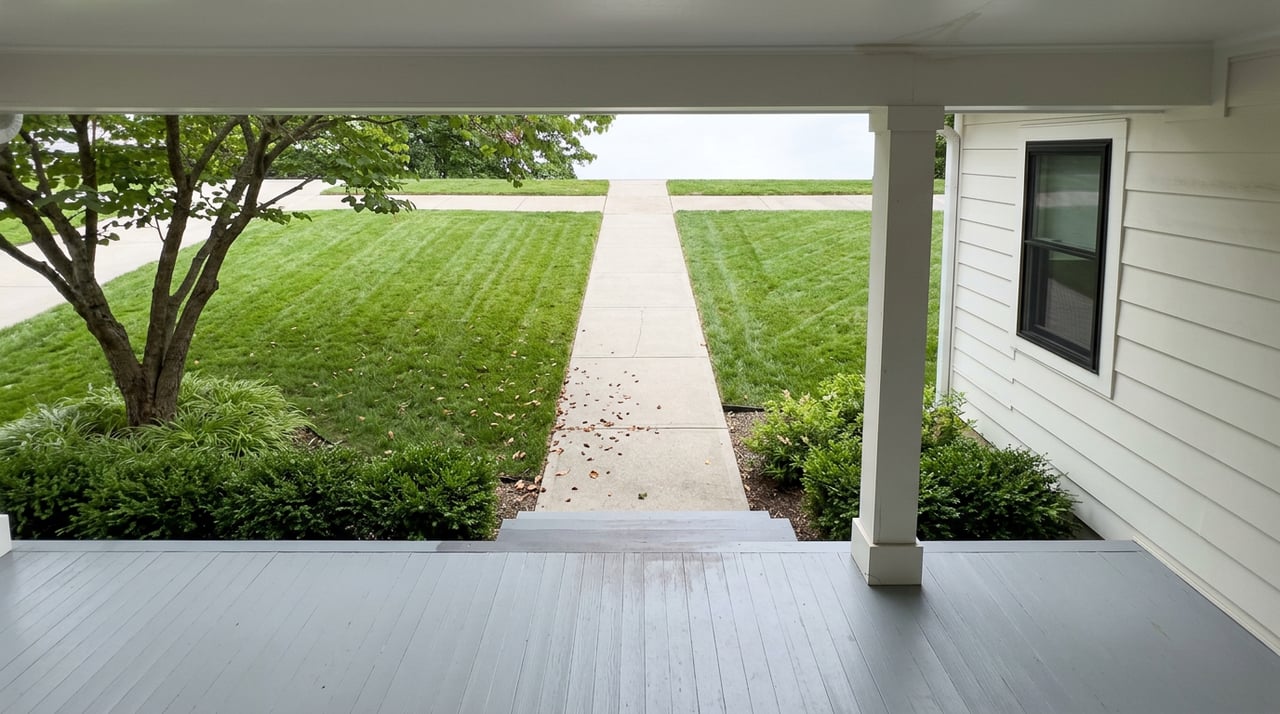
Many buyers notice curb appeal within seconds, but in New Castle, that idea goes deeper. The city’s design guidance points to porch depth, façade rhythm, and visibility from the public right-of-way as important visual characteristics.
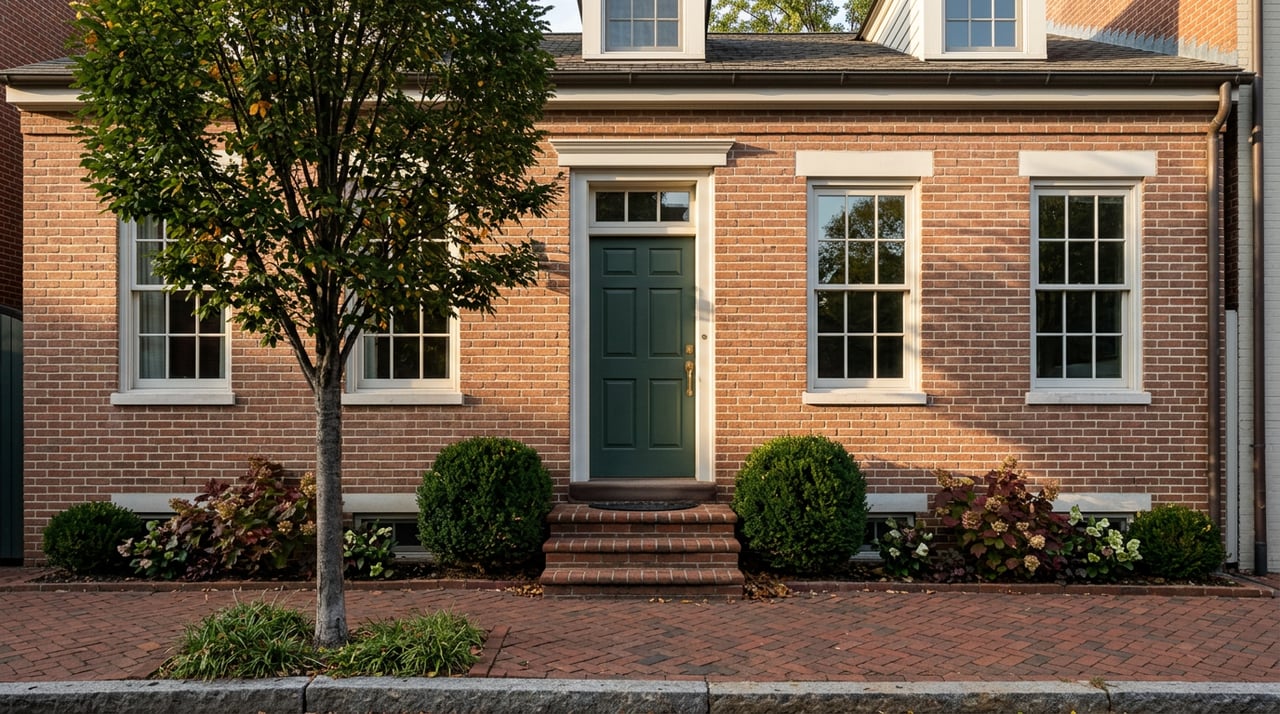
That means your front elevation deserves special attention before your home goes on the market. If your porch, entry, shutters, trim, or roofline help define the home’s look, they should be presented with care.
The city treats windows, doors, masonry, and rooflines as character-defining elements. Buyers shopping for a New Castle character home often look closely at those details because they help tell the story of the property.
If your home has original features, repaired historic elements, or thoughtful in-kind replacements, those details can strengthen your marketing. They can also help support your pricing when properly documented.
A generic renovation story may not carry as much weight with this type of property. In New Castle, value is often easier to defend when you can show preserved features, visible upkeep, and work that respected the home’s historic character.
The city’s guidance emphasizes retaining historic form, materials, and details. When replacements are necessary, the expectation is that they remain visually and materially appropriate.
That gives you a better pricing narrative when you can explain:
For many listings, the house is the whole focus. For a New Castle character home, the surrounding streetscape can also help tell the story.
City guidance says the historic district’s character is connected to the broader setting. That is why strong listing preparation should include street-facing photos, porch views, roofline angles, and close-up images of distinctive details rather than only wide interior shots.
If your property is in New Castle’s historic district, exterior work requires prior approval from the Historic Area Commission and a Historic Review Certificate, along with any needed building permit. The city states that this review system is meant to preserve historic character while allowing compatible change.
Before listing, gather every record you can find for exterior or structural work. A complete paper trail can reduce buyer uncertainty and help answer questions before they become objections.
Helpful items to collect include:
Delaware requires sellers of residential real property to disclose all known material defects in writing before the listing agreement is signed. If conditions change before settlement, the disclosure must be updated.
For character homes, this is especially important because the Delaware disclosure form asks whether the property is subject to public, private, or historic architectural review control. It also asks about additions, structural changes, permits, approvals, and a range of environmental or physical issues.
You should be prepared to answer questions about:
In Delaware, radon is a separate disclosure topic under state law. Sellers must provide any radon test or inspection information they have, notify buyers of known radon hazards, and document that buyers received the information and had the option to test.
If you have past radon paperwork, keep it ready with the property-condition report. That kind of organization can make your transaction feel more transparent and manageable.
If your home was built before 1978, lead-based paint rules may apply. Buyers of most pre-1978 homes have the right to know about known lead-based paint and lead hazards before contract signing.
If you are planning paint-disturbing work before listing, it is smart to use a lead-safe certified contractor. That can help you prepare the property responsibly while reducing avoidable concerns during the sale.
In New Castle’s historic district, even well-intended updates can raise questions if they affect visible exterior features. The city strongly favors repair over replacement and calls for compatible scale, color, texture, and visibility when modern materials or updates are used.
That means projects involving siding, trim, windows, doors, porches, masonry, or roof features should be approached thoughtfully. If you are unsure whether a project needs review, getting clarity early is better than discovering a problem once your home is under contract.
If you want to complete improvements before listing, timing matters. The city says complete historic review applications must be filed at least 15 days before the monthly meeting.
That may affect your listing schedule, especially if you are trying to coordinate repairs and photography. A rushed update can create more stress than value if approvals are not lined up first.
When buyers tour a character home in New Castle, they often want reassurance as much as charm. The more clearly you can answer their questions, the more confidence you can build.
Common buyer questions include:
When you can answer these questions early, you make it easier for serious buyers to focus on the home itself rather than the unknowns.
Selling a character home in New Castle is often about matching visual appeal with a solid paper trail. Preserved details may catch a buyer’s eye, but documented maintenance, clear approvals, and complete disclosures can help carry the deal forward.
If you own a home in or near New Castle’s historic district, your best next step is a pricing and prep strategy built around the property’s actual character. That includes how it looks from the street, how past work was handled, and how confidently you can answer buyer questions from day one.
When you want local guidance on how to position your home, prepare for disclosure, and build a strong listing plan, connect with Myking Johnson for a consultation or home valuation.
Stay up to date on the latest real estate trends.

When working with Myking, know that her time and expertise will be completely devoted to you. She will collaborate with you to keep you informed every step of the way until your home ownership objectives are met. Call her or send her an email to get started!
Get In Touch With Our Team To Learn More

Myking Johnson, Licensed in Delaware
Phone: (215) 531-2301
Office: (855) 450-0442
Email: [email protected]
Address: 200 Continental Dr. Ste 401 Newark, DE, 19713