Living in Wilmington Delaware: A Downtown Guide
May 14, 2026
May 14, 2026
Looking for a place where you can grab coffee, walk to the riverfront, catch a show, and still have regional transit close by? Downtown Wilmington offers that kind of daily rhythm. If you are wondering what it is actually like to live here, this guide breaks down the housing, getting around, food scene, and everyday feel so you can decide whether downtown fits your lifestyle. Let’s dive in.
Downtown Wilmington centers on Market Street, Rodney Square, and the Christina Riverfront. City materials describe this area as a commercial and public core, but it is not just an office district. With residential redevelopment, ground-floor retail, and public gathering spaces, downtown functions as a compact mixed-use neighborhood.
That matters for everyday life. Instead of driving across town for everything, you may find that meals, errands, entertainment, and transit are all part of the same general area. The Downtown Development District has also helped reshape 249 acres of downtown, adding more than 1,200 residential units, 29 retail businesses, and five entertainment options.
A big part of downtown living is how easy it is to build simple routines close to home. Market Street and Lower Market Street anchor much of that experience, while Rodney Square and Willingtown Square provide central public spaces. The city also notes that Market Street was reopened to two-way traffic after two decades as a pedestrian mall, which supports a more connected street network today.
If you like variety in your week, downtown gives you options. You can move between the historic core and the riverfront without feeling like you are switching into a completely different part of the city. That blend is one reason downtown appeals to people who want an urban setting with amenities close at hand.
The city describes Wilmington as having a growing restaurant scene on Market Street, Union Street, and in Trolley Square. On the riverfront, Riverfront Market serves as a regular activity center for residents and workers, with lunch, early dinner, catering, and meeting use. Riverfront dining options also include casual dining, seafood, coffee, cafés, bakeries, and other everyday stops.
For you, that can mean less planning and more flexibility. A quick coffee run, a casual dinner, or a weekend meal out can fit naturally into your schedule. You are not relying on one type of venue or one small cluster of businesses.
Downtown Wilmington has a strong arts and performance presence. The Grand Opera House has served Wilmington for more than 140 years and now hosts more than 120 performances a year across three venues. The Queen remains a downtown staple with a music hall and outdoor bar, while Delaware Theatre Company adds riverfront access to live theater.
This gives downtown a useful balance for daily life. It is not only about workday convenience. It also supports evenings and weekends when you want something to do without traveling far.
If outdoor access matters to you, downtown has built-in options. Tubman-Garrett Riverfront Park is a 2.35-acre riverfront park at Rosa Parks Drive and South Market Street. The Jack A. Markell Trail connects the Wilmington Riverfront to New Castle Battery Park through a 7.9-mile off-road trail that is free and open from dawn to dusk.
That means your routine can include more than sidewalks and buildings. You can add walks, bike rides, or quick breaks by the water to your week. For many buyers and renters, that kind of access helps make city living feel more balanced.
One of downtown Wilmington’s biggest practical advantages is location. City materials place Wilmington about 30 minutes south of Philadelphia and at the midpoint between New York and Washington. The city also points to access to Philadelphia International Airport, Wilmington Airport, I-95, I-495, and Wilmington Train Station.
If you commute or travel often, that regional connectivity can be a major benefit. It gives you options beyond driving every day. For some people, that flexibility is one of the strongest reasons to consider living downtown.
DART’s downtown system includes major bus stops at Wilmington Transit Center and Rodney Square. Wilmington Train Station serves Amtrak, SEPTA, DART First State, and Greyhound. Delaware Theatre Company notes that its riverfront venue is about a five-minute walk from the station.
This setup can work well if you want access to local transit and regional rail in one place. It also supports a lifestyle where downtown is not isolated from the rest of the region. Whether you work nearby or travel to surrounding cities, the transportation network is a real part of downtown living.
Parking in downtown Wilmington is manageable, but it does require some planning. The city says metered and kiosk parking, along with limited-time rules, are enforced in the Central Business District and Riverfront area. ParkMobile is available at about 1,000 on-street meters downtown, and commercial garages are available in several locations.
The city also offers digital residential parking permits that exempt holders from time limits within their permit zones. If you are thinking about moving downtown, it helps to ask early about parking arrangements tied to a specific building or block. This is especially important if you prefer easy car access as part of your routine.
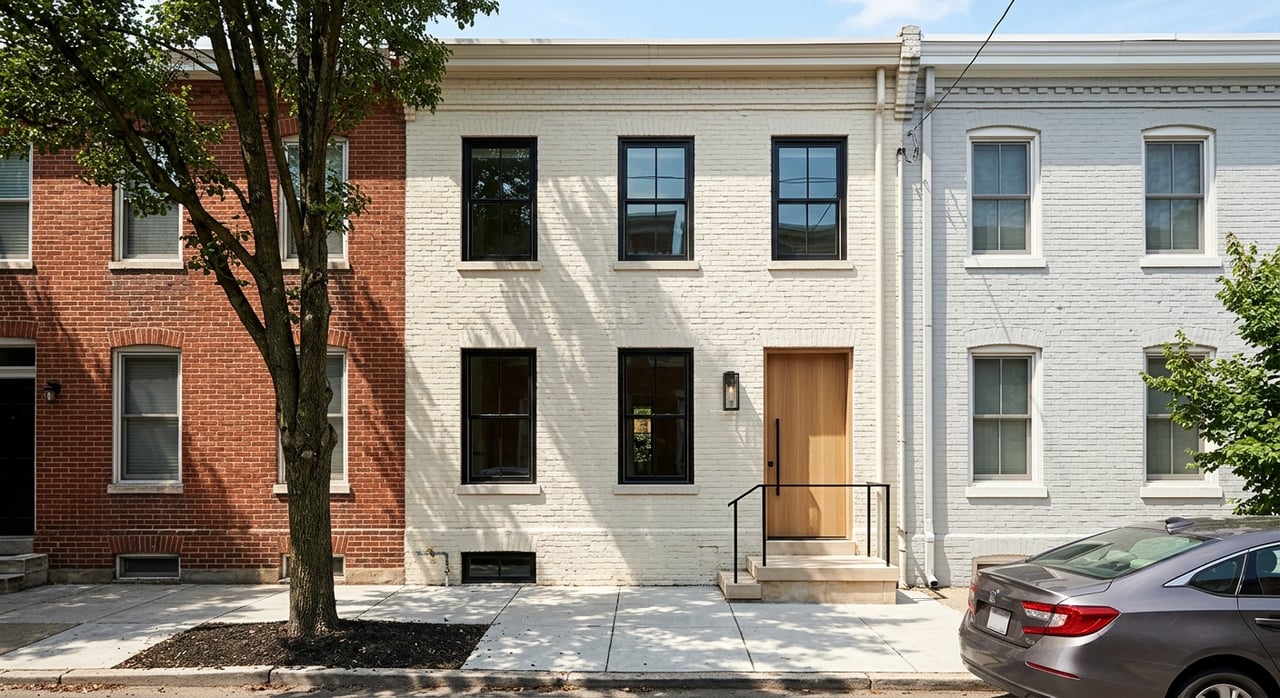
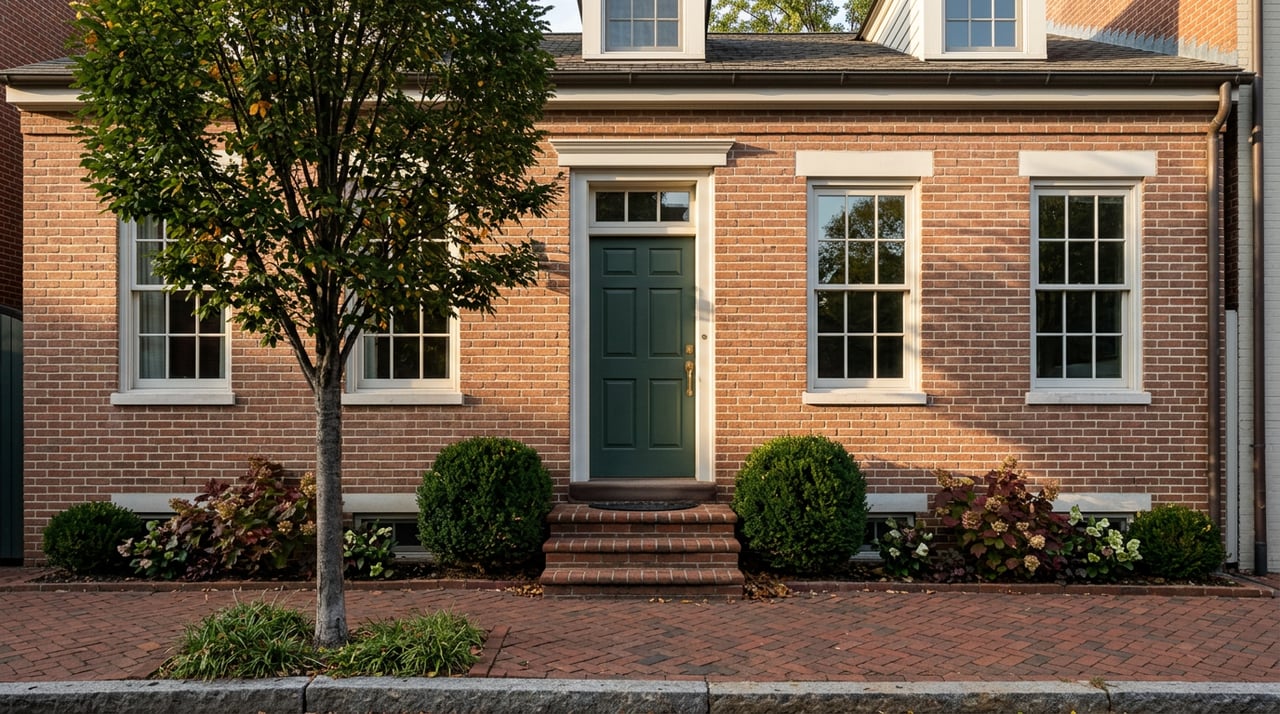
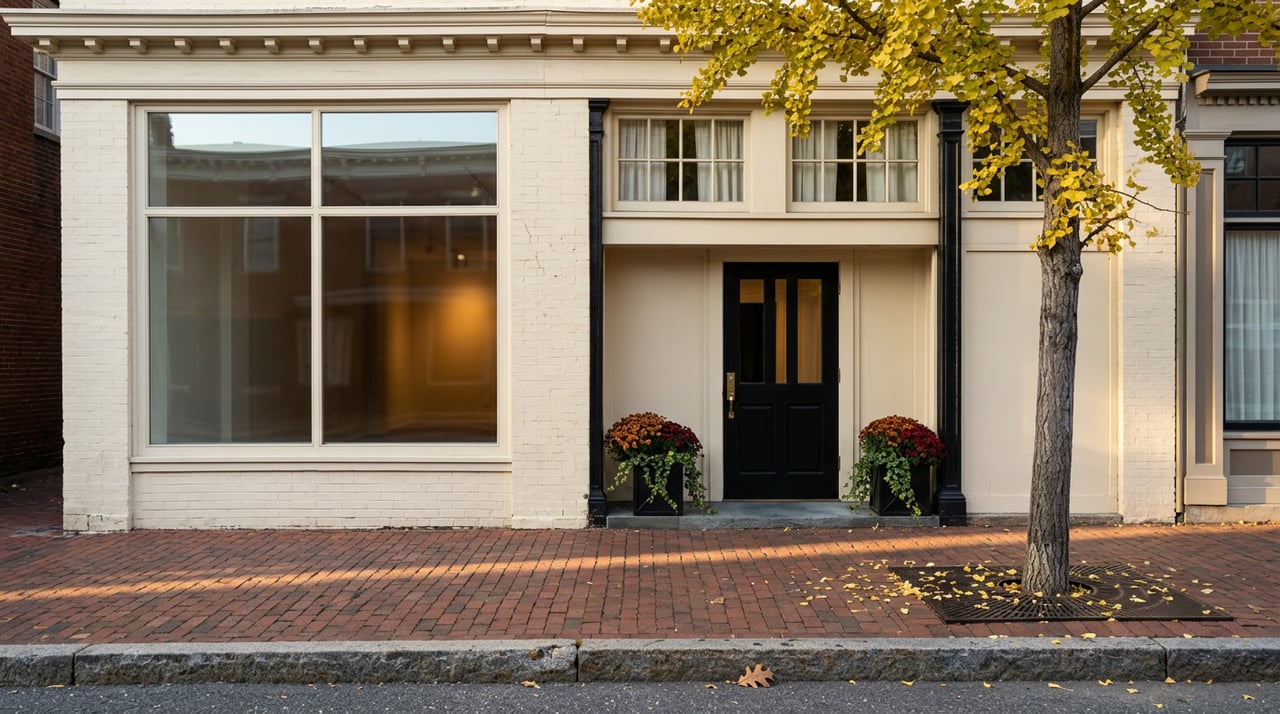
Downtown Wilmington does not offer one standard housing type. City materials describe a mix that includes restored brownstones, high-rise residential towers, upscale condos, apartments, and homes in converted or mixed-use buildings. That variety gives buyers and renters a wider range of choices than you might expect in a compact downtown area.
In practical terms, your decision may come down to the kind of space and setting you prefer. Some people are drawn to older buildings with more historic character. Others want a newer layout, building amenities, or a low-maintenance setup closer to a tower or recently repurposed property.
Examples from city materials show how broad the housing mix can be. 901 Market Tower was repurposed from a former office building into a full-service apartment complex with retail and commercial space. The Press was described by the city as a 243-apartment development with studio to three-bedroom units, duplexes, a 14-story tower, and a four-story brick-clad residential building.
Nearby historic districts also include continuous brick rowhouses and older housing stock in areas such as the East Side, St. Mary’s, Old Swedes, and Forty Acres. Together, these examples show that downtown living can mean adaptive reuse, newer development, or older neighborhood fabric depending on where you focus your search.
If you are buying in downtown Wilmington, expect a mix of building ages, ownership styles, and layouts. The Downtown Development District program was designed to enhance housing opportunities, support adaptive reuse, and encourage new construction. That helps explain why downtown continues to evolve rather than staying frozen in one era.
For you, this means the right fit may depend on your priorities. Ask whether you care most about walkability, building style, parking access, unit size, or proximity to the train station or riverfront. Downtown can support different goals, but it helps to narrow what matters most before you start touring homes.
Downtown Wilmington is often a strong match for people who want an urban, amenity-rich setting with restaurants, live entertainment, waterfront access, and regional transit nearby. It can also appeal to buyers or renters who like the idea of a compact lifestyle with multiple destinations close together. If you enjoy being near activity and having choices within reach, downtown may check a lot of boxes.
At the same time, it helps to be realistic. Downtown is generally a better fit for people who are comfortable with metered parking, garage parking, and a housing mix that ranges from older buildings to newer infill development. If you want a uniform neighborhood feel or a single type of housing, your search may need more careful targeting.
The best way to judge downtown Wilmington is to think beyond listing photos. Look at how you would actually move through a normal week. Consider where you would get coffee, how you would commute, where you would park, and whether you would use the riverfront, theaters, or trail access regularly.
It also helps to compare building types side by side. A restored brownstone, a high-rise unit, and a home in a mixed-use building can create very different living experiences even within the same broad downtown area. A clear plan makes it easier to find the right match and avoid wasting time.
If you are exploring downtown Wilmington for a move, rental, purchase, or relocation, working with a local agent can help you sort through the tradeoffs quickly. Myking Johnson offers buyer and seller representation, rentals, valuations, and relocation support across Delaware with a practical, neighborhood-focused approach.
Stay up to date on the latest real estate trends.

When working with Myking, know that her time and expertise will be completely devoted to you. She will collaborate with you to keep you informed every step of the way until your home ownership objectives are met. Call her or send her an email to get started!
Get In Touch With Our Team To Learn More

Myking Johnson, Licensed in Delaware
Phone: (215) 531-2301
Office: (855) 450-0442
Email: [email protected]
Address: 200 Continental Dr. Ste 401 Newark, DE, 19713