Historic Homes in New Castle, DE: What Buyers Should Know
March 26, 2026
March 26, 2026
Picture yourself stepping onto a brick sidewalk, past centuries-old facades and river breezes, on your way to a home with real history. If you are drawn to New Castle’s charm, you also know there are unique rules, repairs, and costs to consider. In this guide, you will learn how the historic district works, what to inspect, how to finance renovations, and where to find tax credits. Let’s dive in.
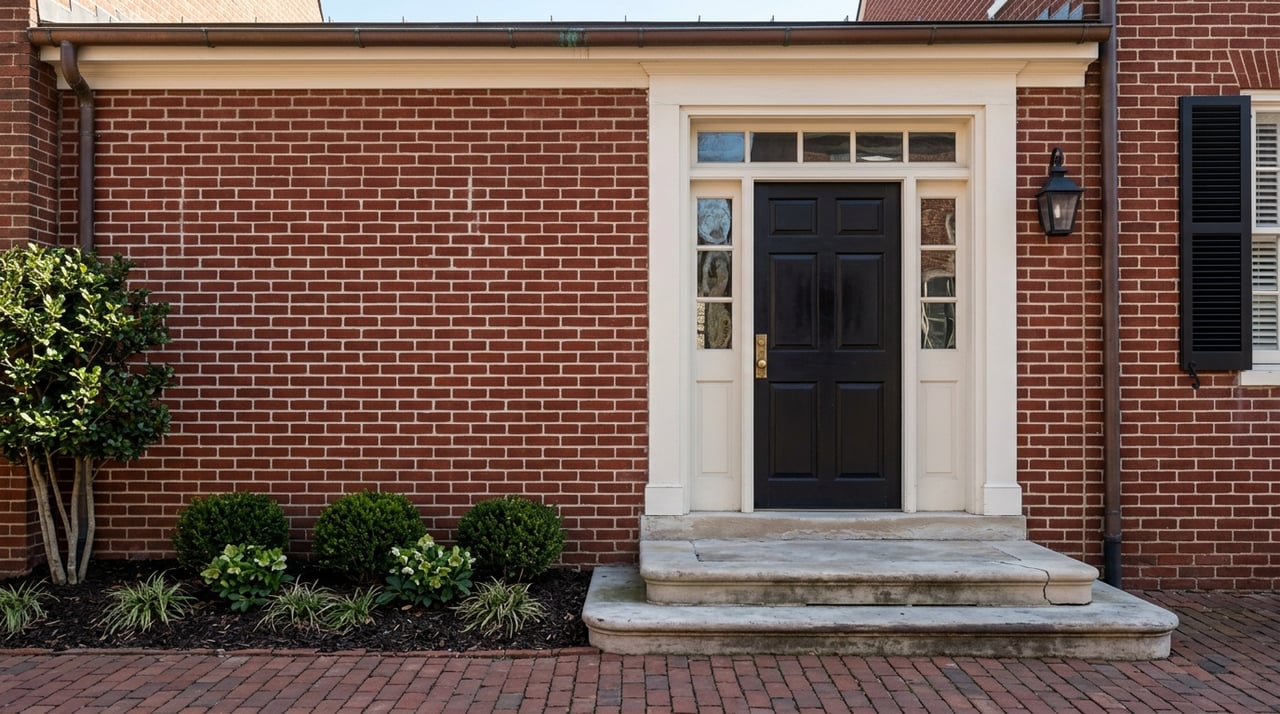
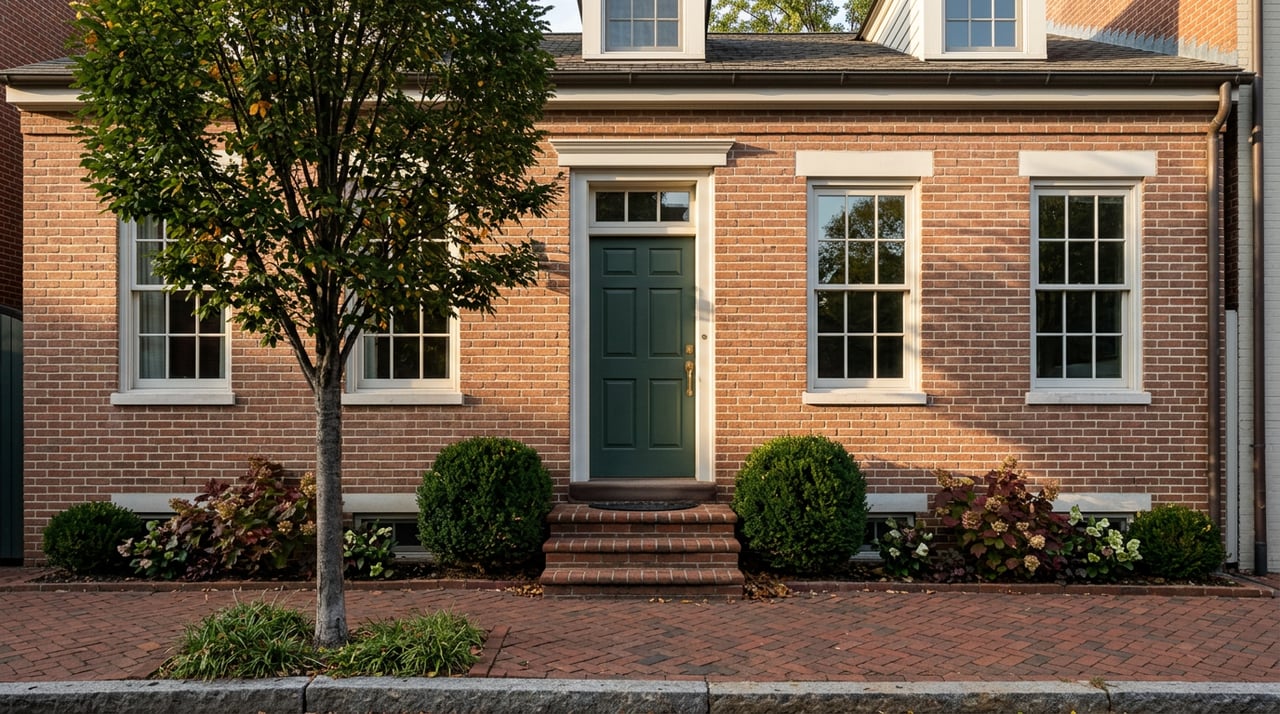
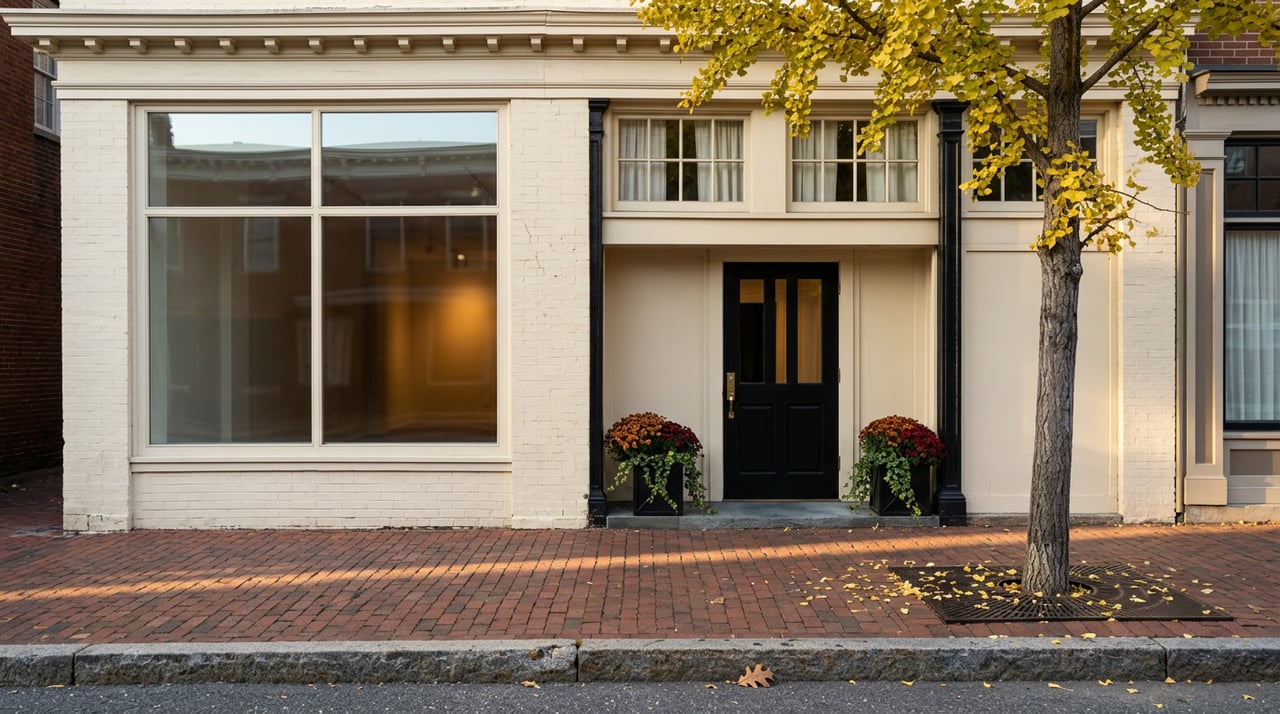
New Castle includes a National Historic Landmark district with a remarkable range of 17th to early 20th century homes. You will see Dutch colonial precedents, Georgian and Federal brick houses, later Victorian styles, and early 20th century infill. Streetscapes often feature original brickwork, wood trim, masonry chimneys, and traditional window and door proportions. For context on the district’s character and examples like the Amstel House and Read House, review the New Castle Historic District overview.
Local preservation is a community priority. The town’s Historic Area Commission guides exterior changes, and the New Castle Historical Society celebrates the area’s heritage. If you love places with a strong sense of identity, this is why so many original features survive here. Explore the district’s story through the New Castle Historical Society’s resources.
Buying a historic home is rewarding, and it comes with special responsibilities. Use these common issues as a planning checklist.
Moisture is the number one long-term risk. Historic masonry and wood siding need regular care, including repointing, flashing repairs, and gutter and drainage upkeep. The City’s design supplement stresses proper roof and attic ventilation, and working gutters and downspouts, to protect historic fabric. See the City’s Historic Area design supplement for maintenance guidance.
Many older homes retain slate, metal, cedar shake, or clay roofing, along with original masonry chimneys. Repairs often require specialized trades and can cost more than standard asphalt shingle work. Roof form and details are considered character-defining features under local guidance. Review roof material expectations in the City’s design supplement.
Historic foundations can show settlement or rising damp. Watch for uneven floors, step cracking, or doors that bind, and be ready to involve a structural specialist. Early evaluation prevents small issues from becoming major repairs.
Expect older electrical panels, possible knob-and-tube wiring, galvanized or lead plumbing, and limited insulation in many historic-era homes. System upgrades are common and can affect insurance and budget. For an overview of typical old-house system concerns, see these historic property tips.
If the home was built before 1978, plan for lead-based paint risks and possible asbestos in insulation, flooring, or pipe wrap. Federal rules require lead disclosure at sale, and any renovation that disturbs paint must follow lead-safe practices. Learn more from the EPA’s Renovation, Repair and Painting guidance.
Portions of New Castle sit near the Delaware River. Some properties may lie within or near FEMA flood zones, which can influence insurance requirements and material durability. The City participates in the NFIP Community Rating System, which can help reduce flood premiums for residents. Find local information on the City’s floodplain management page.
If the home is in the City’s historic area, exterior work visible from the street usually needs review.
The Historic Area Commission (HARC) issues Historic Review Certificates for exterior work. You typically need this certificate before the City issues a building permit. The commission prioritizes repair over replacement, natural materials, and designs that fit the home and the streetscape. Meeting schedules and application details are posted on the Historic Area Commission page.
Decisions are case by case, but there are common standards. Siding and trim often must be wood, replacement brick should match existing in appearance, and windows are generally expected to be wood with true divided lights. Doors should be wood with appropriate paneling, and storm windows may be allowed with restrictions. Be prepared for custom materials or specialized craftsmen.
Plan ahead. The City’s supplement outlines the documents you need: date of construction, photos that show context and any damage, material samples, and scaled drawings if you will alter the roofline or openings. It also helps to meet informally with HARC before finalizing plans. Review the application checklist in the HARC design supplement.
Federal recognition through the National Register or National Historic Landmark program is largely honorary for private owners. Local historic zoning is what regulates exterior changes in New Castle. When in doubt, confirm HARC requirements before starting work.
Renovation-friendly mortgages can help you bundle purchase and rehab into one loan.
Delaware also offers state historic preservation tax credits that can substantially offset qualified rehab costs.
Historic homes can cost more to insure due to specialized materials and older systems. If the property is in a FEMA Special Flood Hazard Area, your lender will require flood insurance. Because New Castle participates in the Community Rating System, residents may qualify for premium discounts. Ask your insurance agent for quotes early, and confirm whether an Elevation Certificate exists for the property. City resources on floodplain management can help you get started.
Use this checklist before you write an offer so you can budget and negotiate with confidence.
Buying into history is exciting. It also takes planning, patience, and a clear roadmap. If you want a partner who understands New Castle’s process, can help you structure your due diligence, and can connect you with the right financing path, reach out to Myking Johnson for a friendly, no-pressure consultation.
Stay up to date on the latest real estate trends.

When working with Myking, know that her time and expertise will be completely devoted to you. She will collaborate with you to keep you informed every step of the way until your home ownership objectives are met. Call her or send her an email to get started!
Get In Touch With Our Team To Learn More

Myking Johnson, Licensed in Delaware
Phone: (215) 531-2301
Office: (855) 450-0442
Email: [email protected]
Address: 200 Continental Dr. Ste 401 Newark, DE, 19713