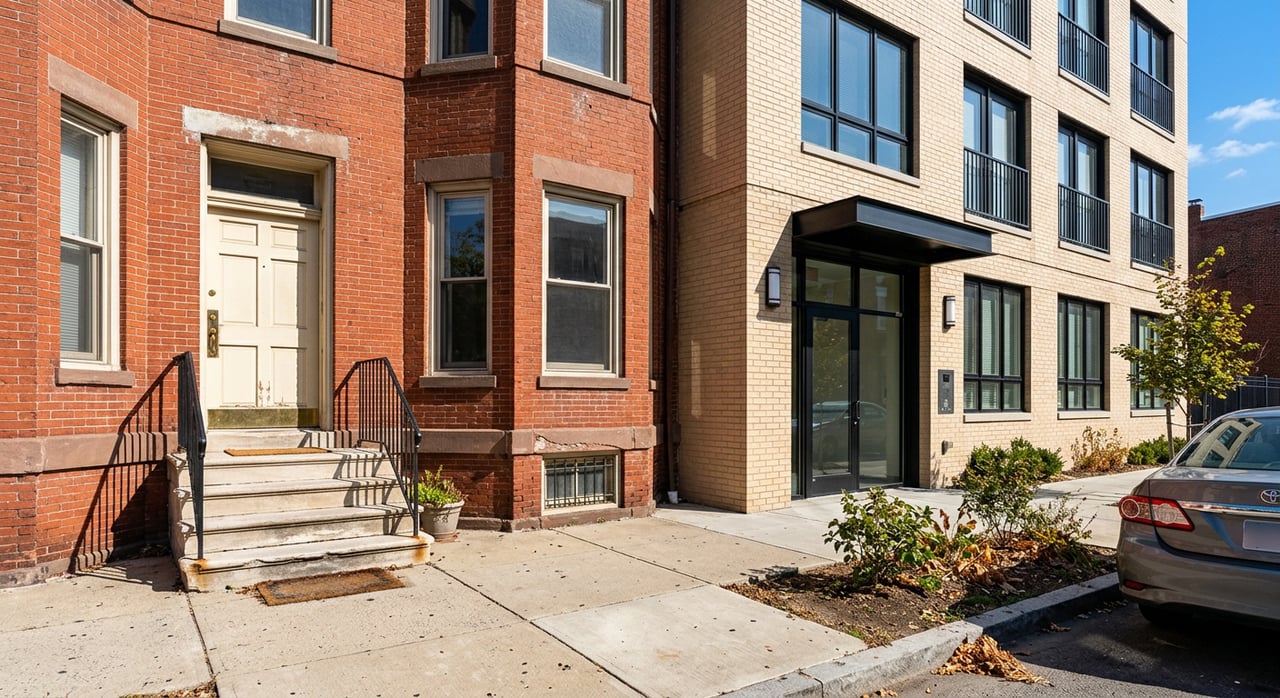
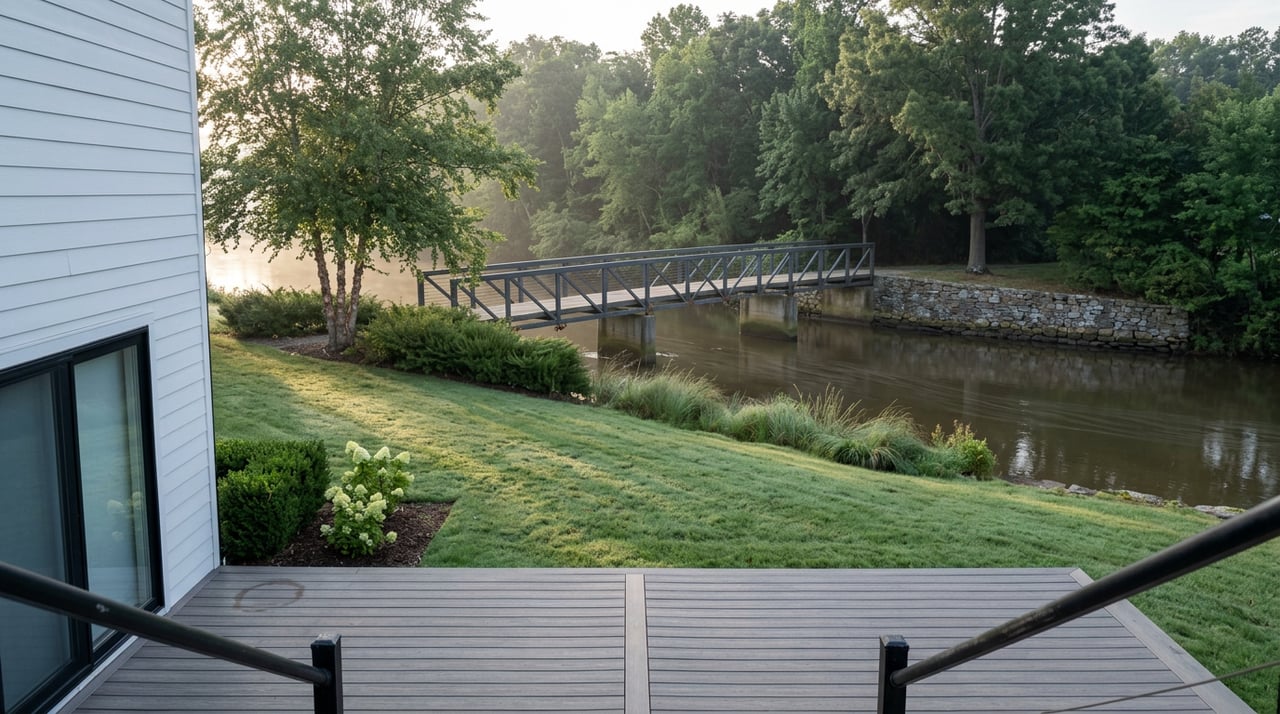
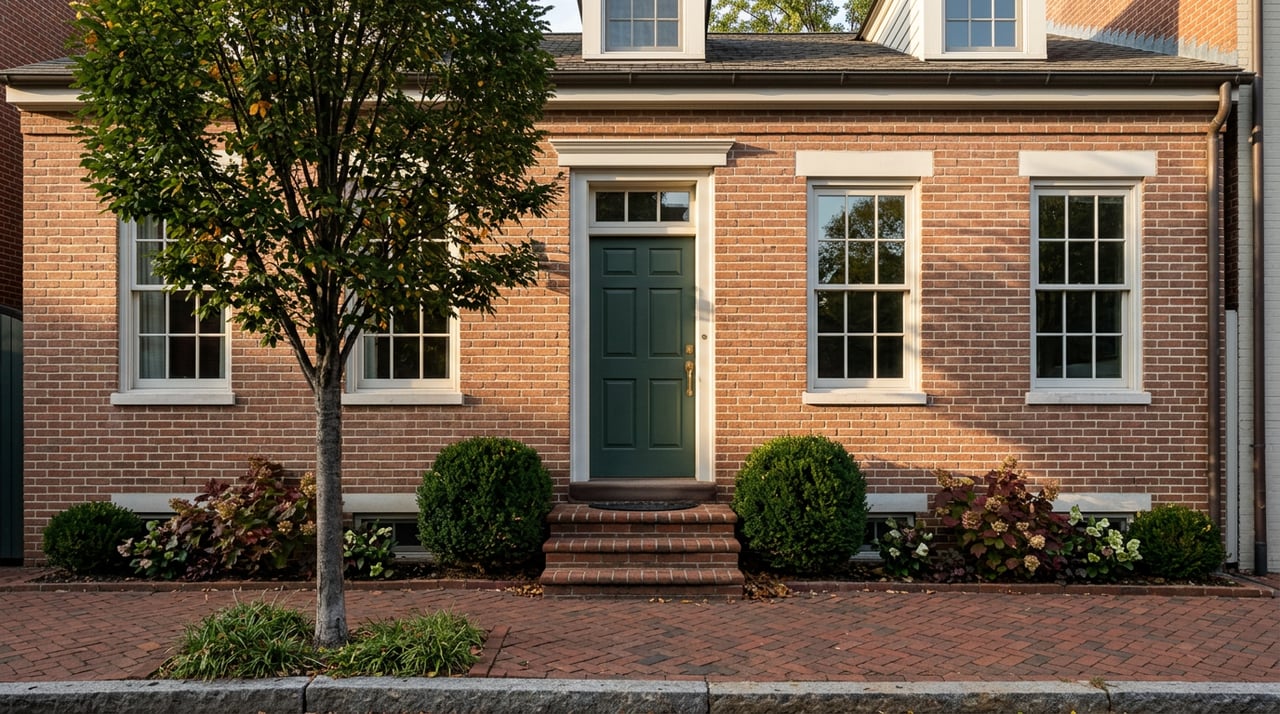
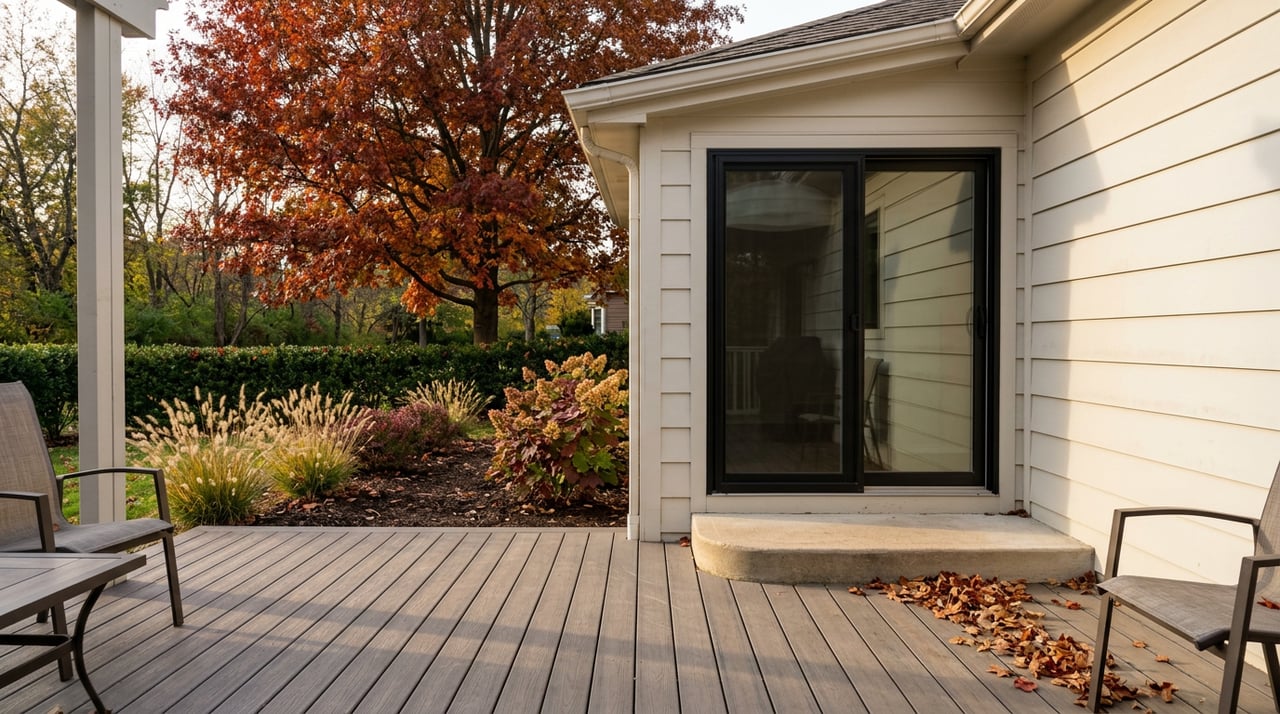
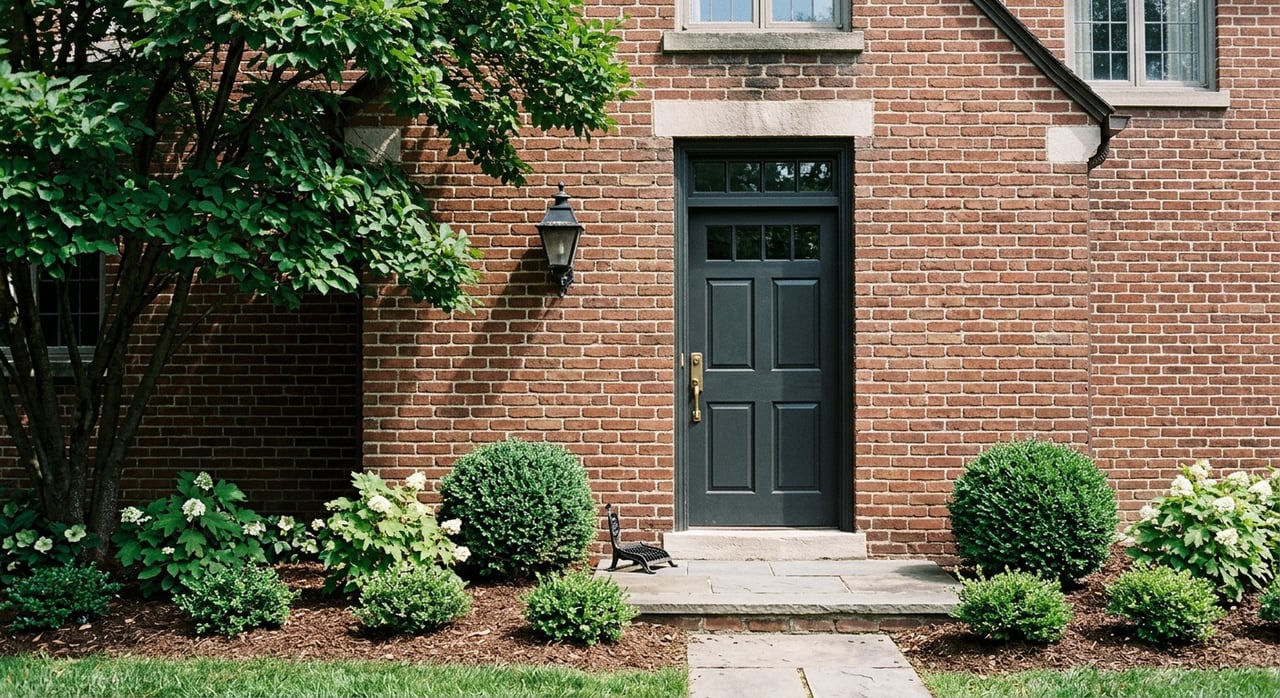
Torn between keys to a Riverfront condo and the charm of a classic Wilmington rowhome? You’re not alone. The right choice comes down to how you want to live day to day, what you want to maintain, and how the numbers fit your budget. In this guide, you’ll compare ownership, monthly costs, outdoor space, parking, financing, flood and tax factors, plus a simple checklist to make a confident choice. Let’s dive in.
Quick Wilmington snapshot
Home prices inside the City of Wilmington often come in below nearby suburbs. Recent vendor snapshots have shown a city median around $275,000, while New Castle County medians trend higher in the low to mid $300,000s. Exact numbers shift with the market, so plan to verify current data before you write an offer.
When comparing property types, focus on total monthly cost, not just price per square foot. Your bottom line will change based on HOA dues, insurance, taxes, utilities, and any flood coverage.
What you actually own and maintain
Condos: ownership, services, and rules
- You typically own the interior of your unit and share ownership of common areas like the roof, elevators, halls, and grounds. Delaware’s common‑interest laws set the framework for associations and owner rights. Review the state statutes to understand how declarations and bylaws work under the Delaware Uniform Common Interest Ownership Act.
- The association usually covers exterior systems and building insurance for common areas. You handle interior maintenance and an HO‑6 condo insurance policy.
- Condo buildings in Wilmington range widely. Fees are higher when amenities and utilities are included. Always read what the dues cover.
Rowhomes: fee‑simple control, more upkeep
- A rowhome (or townhome) is usually fee‑simple. You own the structure, roof, and the land it sits on. Many older Wilmington rowhouses are owner‑maintained with no or minimal HOA.
- You budget for exterior items like the roof, façade, gutters, and small yard care. If a townhome does have an HOA, dues are often lower because you carry more responsibility.
- You’ll likely carry a standard HO‑3 homeowner’s policy that covers both the structure and interior (subject to your policy terms).
Monthly costs: what to budget
- HOA/condo dues: In Wilmington, typical condo dues range about $200 to $800+ per month based on amenities and included utilities. Riverfront high‑amenity buildings tend to be on the higher side; smaller or older buildings often land in the mid‑range. Many townhome HOAs, when present, are lower because owners handle more maintenance themselves.
- Insurance: Condo owners carry an HO‑6 policy and should confirm what the association’s master policy covers and the deductible. Rowhome owners carry an HO‑3 policy that covers the structure and interior. Ask your insurance pro to price both options for the addresses you are considering.
- Property taxes: The county portion of your tax bill is set by New Castle County. The county’s published rate is only one piece of the total bill, which also includes municipal and school components. Effective tax rates for Wilmington often work out to roughly 0.6% to 0.9% of market value, producing many median bills in the $1,500 to $2,500 range depending on value and district. Use the county’s resources for the latest rates and updates on assessments through New Castle County’s website, and verify the exact bill on the parcel page for any specific property.
- Flood insurance (where required): Wilmington sits along the Christina and Brandywine Rivers. If a property lies in a FEMA Special Flood Hazard Area, lenders typically require flood insurance. Delaware’s average NFIP premiums commonly fall around $700 to $1,200 per year, but your cost depends on the property’s zone and elevation. For background on flood insurance costs, see this national overview from NerdWallet. Always get property‑specific quotes.
- Utilities and parking: Some condo dues include water, sewer, and trash, and certain buildings include garage parking. For rowhomes, expect separate utility bills and, in many older neighborhoods, on‑street parking.
Lifestyle tradeoffs in Wilmington
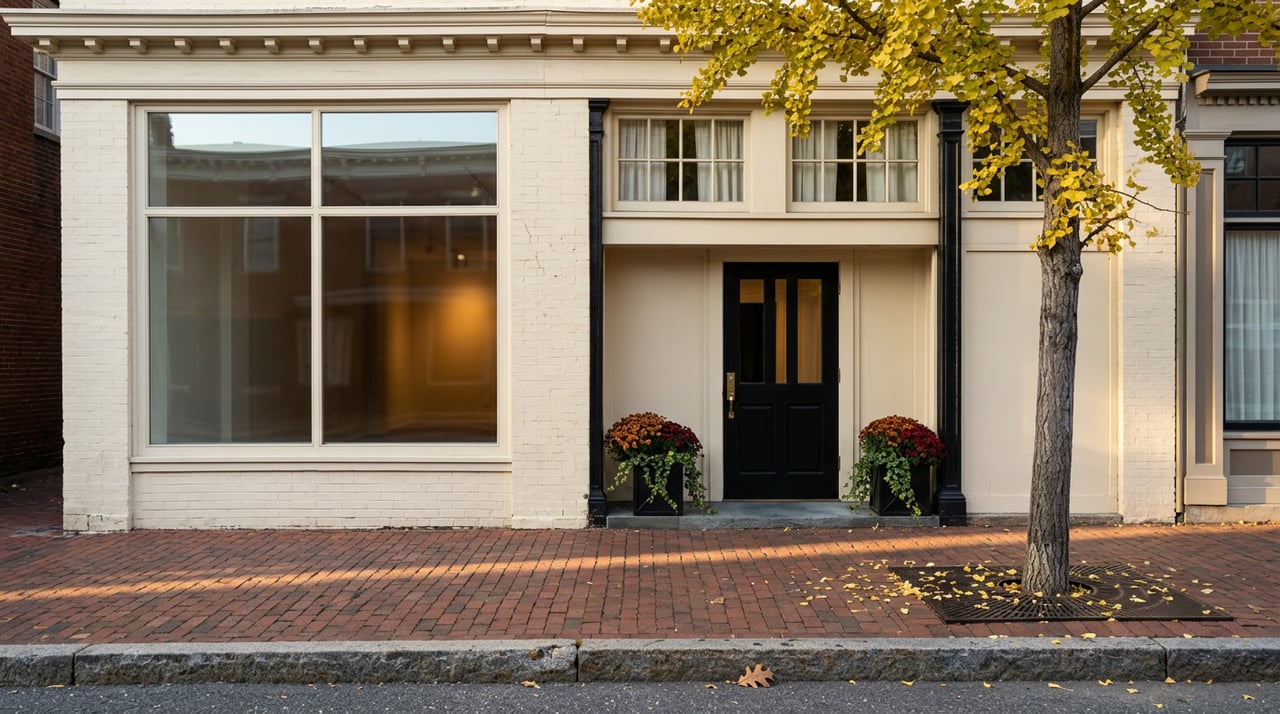
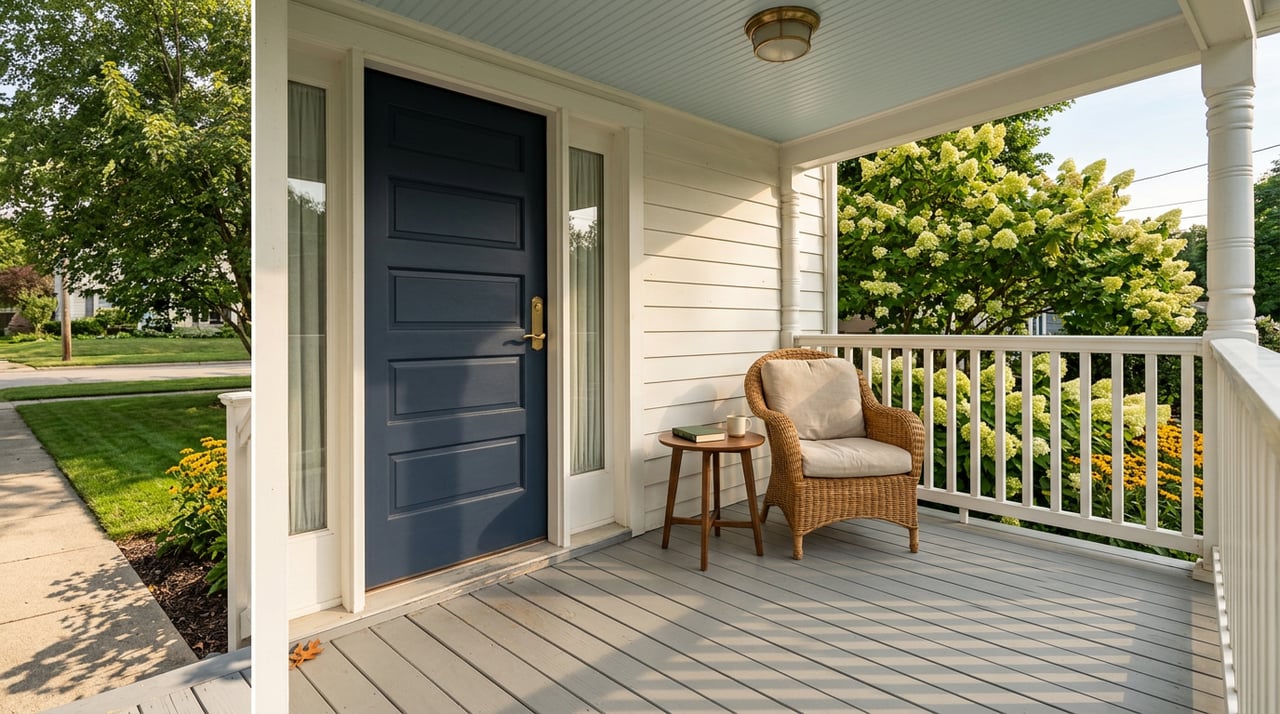
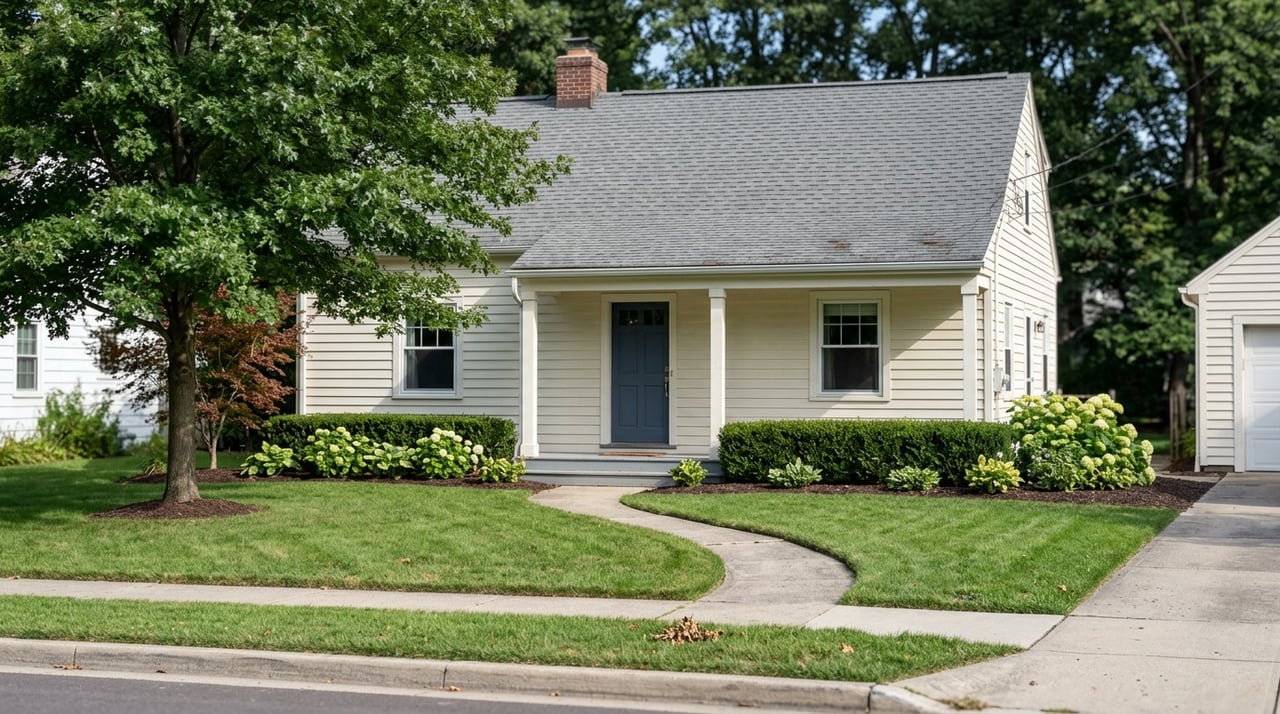
- Outdoor space: Many Wilmington rowhomes offer a small yard, front porch, or rear patio. Condos often trade yards for balconies and shared green space. If you want a private grill area or a place for a pet to roam, a rowhome may make everyday life easier.
- Parking: Riverfront and downtown condos often include assigned or garage parking. Older rowhomes may rely on on‑street parking or alley access. Confirm deeded spaces or permit rules before you bid.
- Noise and privacy: Shared walls come with both options. Ask about building materials and any soundproofing. Visit during busy times to feel out noise levels.
- Flood exposure: Low‑lying blocks near the Christina and Brandywine can sit in mapped floodplains. Use local resources to understand the watershed and floodplain management through the University of Delaware Water Resources Center. Ask for the property’s flood zone and any mitigation records, and secure quotes early.
Financing and resale: why eligibility matters
Condos: project approval can shape your buyer pool
Many loans review the building itself, not just your unit. Fannie Mae, Freddie Mac, FHA, and VA set standards for reserves, owner‑occupancy, delinquencies, and litigation. If a building does not meet guidelines, it may be considered non‑warrantable or not on approved lists, which can limit financing options for future buyers. Learn how lenders evaluate projects through Freddie Mac’s Condo Project Advisor guidance.
For FHA‑backed buyers, your lender can check whether a building is approved or whether a single‑unit or spot approval is possible. See FHA’s overview for partners on HUD’s site.
Rowhomes: simpler loan paths
Rowhomes that are fee‑simple typically qualify for conventional, FHA, or VA loans without a project review. Appraisal, property condition, and any flood‑zone requirements still apply.
Resale signals to watch
- Healthier associations with solid reserves and clear maintenance plans tend to resell more smoothly.
- Non‑warrantable condos can narrow the buyer pool and may increase days on market.
- Special assessments, heavy litigation, or high owner delinquencies can push some buyers and lenders away. Review the building’s budgets and meeting minutes for clarity. Freddie Mac’s guidance highlights how these issues affect eligibility and marketability. Start with the project‑level review basics.
Which one fits your goals?
Choose a Wilmington condo if you want:
- Lower personal maintenance and on‑site amenities.
- Walkability to Riverfront dining, parks, and events.
- Possible garage or assigned parking included.
- Predictable monthly costs through HOA dues.
Choose a Wilmington rowhome if you want:
- A small private yard or outdoor entertaining space.
- More control over improvements and design.
- Often lower monthly HOA dues or no HOA at all.
- A near‑urban single‑family feel with a front stoop lifestyle.
A simple decision framework
- Clarify your lifestyle must‑haves. Yard or balcony? Garage parking or on‑street is fine? Quiet or vibrant nightlife nearby?
- Compare true monthly costs. Add mortgage, taxes, insurance, HOA dues, utilities, parking, and any flood coverage.
- Check financing early. For condos, ask your lender to review project eligibility up front. For rowhomes, confirm any flood or appraisal flags.
- Verify flood and parking. Pull the flood zone, ask for mitigation records, and confirm whether parking is deeded, assigned, or permit based.
- Think about resale. Ask for association budgets, reserve details, and meeting minutes to spot risks that could affect your exit.
Due‑diligence checklist before you commit
For condos, request and review:
- Current and prior year HOA budgets and year‑to‑date financials (look for steady reserve contributions). See what lenders look for in Freddie Mac’s project resources.
- Most recent reserve study and current reserve fund balance.
- Association insurance declaration pages, including master and fidelity policies.
- Delinquency report showing unpaid assessments and owners in arrears.
- Board meeting minutes for the last 6–12 months to learn about projects, complaints, or litigation.
- Any pending litigation documents and correspondence about claims.
- The declaration, CC&Rs, and bylaws, including rental, pet, and short‑term rental rules under Delaware’s common‑interest framework. Review the Delaware statute.
- A condo estoppel or attorney letter confirming the seller’s standing and assessments.
For both condos and rowhomes:
- FEMA flood zone determination and any floodproofing records. Use state and local resources like the UD Water Resources Center and get property‑specific flood quotes.
- Property tax estimates using county resources. Start with New Castle County’s updates and verify the parcel’s tax page.
- Insurance quotes tailored to the address and structure type (HO‑6 vs HO‑3).
Red flags to pause on: low or no reserves, large special assessments, high delinquency, major structural litigation, or unusual commercial or short‑term rental components that could affect financing.
Real‑world tips for Wilmington buyers
- Tour at different times. Visit during rush hour and weekend evenings to gauge parking demand and noise.
- Ask what HOA dues include. Water, sewer, trash, master insurance, garage parking, fitness rooms, and concierge can all be bundled.
- Budget for maintenance. A simple rule of thumb for rowhomes: plan 1% to 3% of home value per year for ongoing upkeep. For condos, plan HOA dues plus interior repairs.
- Confirm short‑term rental and pet rules. These affect your lifestyle and future resale.
Your next step
If you want city convenience with low upkeep, a condo might be perfect. If you crave a little yard and more control, a rowhome could be the better fit. Either way, a clear plan and a local guide make the choice easier. Ready to compare real options and run the numbers side by side? Reach out to Myking Johnson for a friendly, data‑driven consultation.
FAQs
What are typical condo HOA fees in Wilmington?
- Many buildings fall in the $200 to $800+ per month range, depending on amenities and whether items like water, sewer, trash, building insurance, and parking are included.
How do property taxes differ for condos vs rowhomes in Wilmington?
- Taxes are based on assessed value and local rates, not property type. Effective totals commonly run about 0.6% to 0.9% of market value. Verify the exact bill on the parcel page and review updates via New Castle County.
Do Riverfront homes in Wilmington require flood insurance?
- Some do. If a property is in a FEMA Special Flood Hazard Area, lenders usually require flood insurance. Use local watershed resources from the UD Water Resources Center and get property‑specific quotes.
What makes a condo non‑warrantable, and why does it matter?
- Issues like low reserves, high delinquencies, heavy litigation, or excess commercial space can trigger ineligibility with major loan programs. This can limit buyer financing and impact resale. See Freddie Mac’s condo project guidance.
Is parking generally easier with Wilmington condos or rowhomes?
- Many downtown and Riverfront condos include assigned or garage parking. Older rowhomes often rely on on‑street parking or alley access. Always confirm spaces and permits before you offer.
What insurance do I need for each option?
- Condos: an HO‑6 policy for interior improvements and personal property, plus the building’s master policy for common areas. Rowhomes: an HO‑3 policy that covers the structure and interior (policy terms apply).