Thinking about buying a townhome in Newark, DE, but not sure where to start? You are not alone. Between HOA rules, loan options, and fast‑moving listings, it can feel like a lot. In this guide, you will get a clear picture of local prices, what HOAs typically cover, how Delaware’s resale laws protect you, and the exact steps to take before you write an offer. Let’s dive in.
Newark townhome prices at a glance
As of Dec 2025, Redfin reports Newark’s median sale price at about $410,000. For county context, Realtor.com shows New Castle County’s median around $399,000 for the same period. Zillow’s Home Value Index for New Castle County was near $358,000 as of Jan 31, 2026. These figures help you anchor expectations and budget.
Here is a practical price map for Newark townhomes based on recent listings:
- Entry tier: low $200,000s for smaller or older townhomes and condo‑style units.
- Most active band: roughly $300,000 to $450,000 for 2 to 3 bedrooms with common updates.
- New construction and larger end units: about $450,000 to $750,000+ with two‑car garages and premium finishes.
Inventory remains relatively tight in many Newark submarkets. That often means shorter timelines for inspections and document reviews. Be ready to request HOA documents early so you can move fast with confidence.
What you get in a Newark townhome
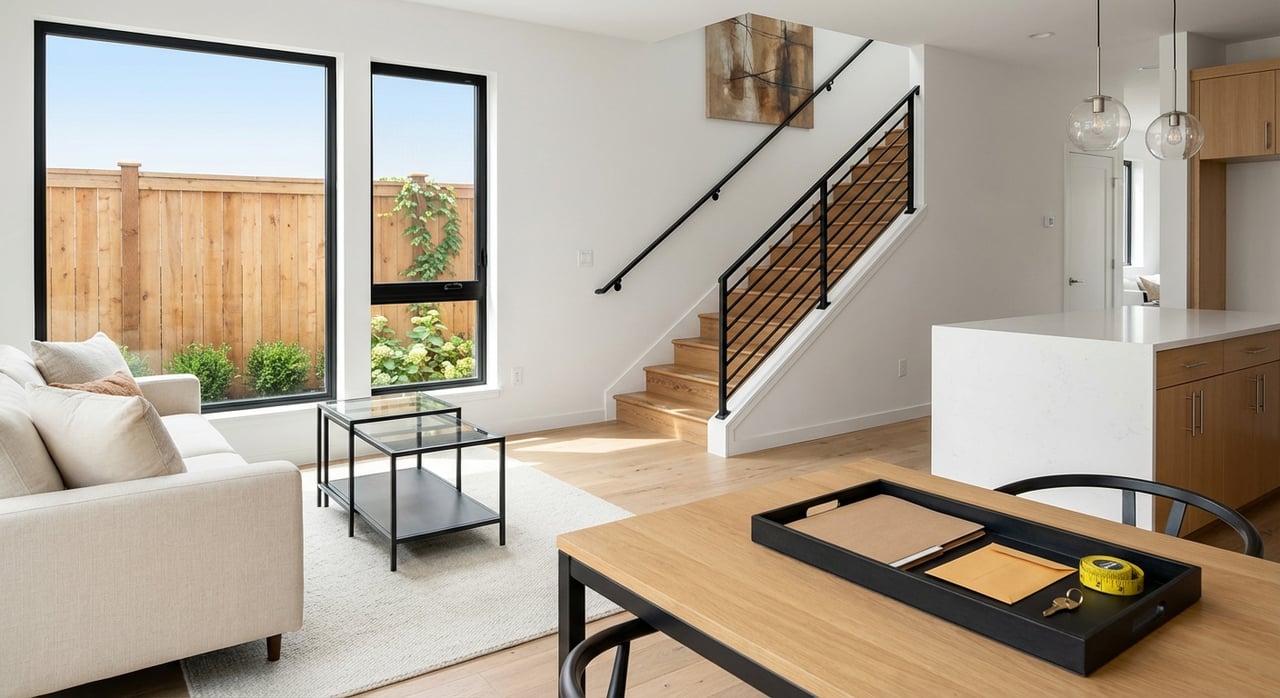
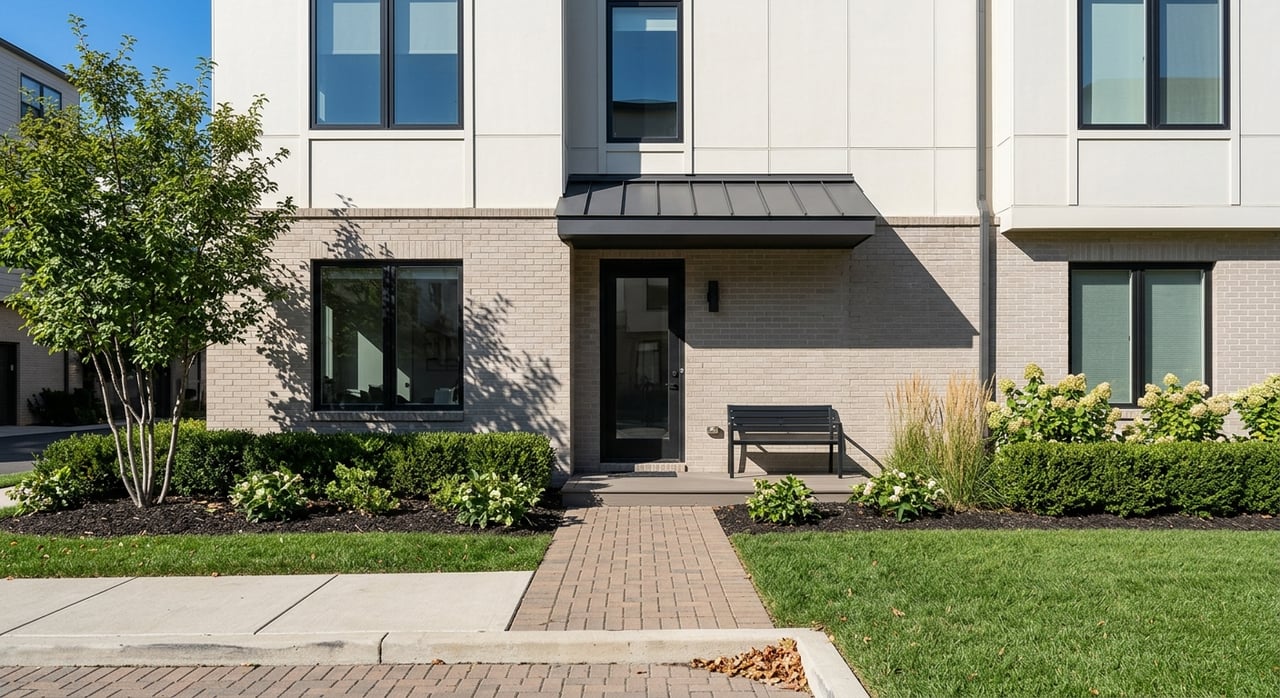
Modern Newark communities often feature 2 to 3 stories, 2 to 4 bedrooms, and attached or rear‑entry garages. You will commonly see a main‑level kitchen and living area, bedrooms upstairs, and a lower level or basement for storage or flex space. Newer subdivisions can offer 2,000+ square feet, while older townhouses closer to town may be more compact.
Ownership type matters. “Townhome” describes the look and layout, but the legal structure can be fee‑simple (you own the land and exterior, with shared common areas) or condominium (you own the unit plus shared elements). That legal form affects maintenance, insurance, and how lenders underwrite the property.
What HOA fees usually cover
Scope varies by community, but Newark townhome HOAs commonly include:
- Exterior maintenance in some condo regimes.
- Common‑area landscaping and snow removal.
- Trash service, and sometimes water or sewer.
- Amenity upkeep such as pools, playgrounds, or clubhouses.
- Master insurance for common elements.
Monthly dues range widely because coverage differs. You might see lean fees near $55 per month in small communities or $200 to $350 per month in neighborhoods with more amenities or expanded services. Always confirm what your fee covers before you write an offer.
HOA rules and Delaware law you need to know
Delaware’s Uniform Common Interest Ownership Act (DUCIOA) gives you clear rights as a buyer. Sellers must furnish a resale certificate and association documents that outline fees, rules, reserves, and any unpaid assessments. If you do not receive the resale certificate before signing, you generally have five calendar days to cancel after receipt. Review the statute for the full list of required items and timing.
Key Delaware timing and rights
- Sellers must request and deliver the resale certificate and governing documents.
- If the certificate arrives after you sign, you typically have five days to cancel.
- Associations must provide the certificate within 10 days of the owner’s request and are limited by fee caps for preparing it.
Use these rules to set smart timelines in your offer. When possible, ask for the resale package before signing. That lets you review early and avoid the five‑day cancellation window later.
Financing: townhome vs condo
Your loan path depends on how the property is legally structured.
- Fee‑simple townhomes: Many lenders treat these like single‑family homes. Standard conventional, FHA, or VA options may be available if you and the property qualify.
- Condo‑titled townhomes: These trigger project reviews for conventional loans and additional checks for FHA or VA. Lenders look at owner‑occupancy, budget and reserves, insurance, delinquencies, and any litigation.
Two resources matter here:
Before you tour, get pre‑approved and ask your lender how they will classify the specific property. Confirm which HOA documents they need and how long a condo review might take.
Neighborhood, commute, and lifestyle snapshot
Newark appeals to commuters with access to I‑95 and Route 1, plus weekday SEPTA Regional Rail service on the Wilmington/Newark Line and limited Amtrak Northeast Regional stops at Newark Station. Learn about service levels and station context here: Newark Station overview.
Around the University of Delaware, you will find areas with a higher share of student‑oriented rentals. That mix can influence owner‑occupancy rates and HOA policies on leasing. If you plan to rent out your unit in the future, check leasing rules in the governing documents before you make an offer.
Newark also has pockets near creeks and low‑lying areas. If you are eyeing a location near White Clay Creek or similar waterways, review FEMA flood maps and the city’s guidance: Newark Flood Insurance information.
Your step‑by‑step due‑diligence checklist
Follow this checklist to reduce risk and avoid surprises.
A) Pre‑offer prep
- Get a mortgage pre‑approval. Confirm loan type and whether the property will be treated as a condo project.
- Ask the seller’s agent to order the HOA resale package now. Try to receive it before you sign to remove the post‑contract five‑day cancellation period. See the statute: DUCIOA §81‑409.
- Ask your lender which HOA docs they will require and how long any project review takes. See guidance: Fannie Mae Project Standards.
B) Documents to request and review
- Declaration, bylaws, rules, and architectural guidelines.
- Current budget, recent financial statements, and reserve study.
- Resale certificate with regular assessments, special assessments, and fees due at closing. Timing and contents set by DUCIOA §81‑409.
- Board meeting minutes for the last 6 to 12 months, master insurance declarations, management contract, and any litigation disclosures.
- Owner‑occupancy and delinquency rates. Lenders use these for project reviews.
C) Inspections and building checks
- Schedule a full home inspection that covers structure, roof, HVAC, plumbing, and drainage. With attached walls, check party wall condition and penetrations.
- Confirm who maintains the roof, siding, and exterior. Responsibilities differ by community. See Delaware property concepts: Delaware Code Title 25, Chapter 3.
- Ask about past roof, siding, or foundation work. If big common‑element repairs are planned, review the reserve balance and project schedule.
D) Insurance and cost planning
- Review the HOA’s master policy. Understand what the association insures and what you must insure.
- Price an HO‑6 policy that includes enough dwelling coverage and consider loss‑assessment coverage to help with large deductibles or special assessments.
- Confirm master policy deductibles and coverage limits for common areas.
E) Contract contingencies and timing
- Include an HOA documents review period. If the resale package is in hand at signing, ask for 7 to 10 days to review. If it arrives after you sign, remember the five‑day statutory window in DUCIOA §81‑409.
- Match inspection, appraisal, and financing contingency timelines to your lender’s condo or project review timeline.
- If using FHA or VA, add a contingency that the unit or project is eligible, or that single‑unit approval is feasible. Check via the HUD FHA Condo Lookup.
F) Red flags to watch
- Recent or pending special assessments, especially when reserves are low.
- High HOA delinquency rates that can threaten project eligibility.
- Big insurance gaps or very high master policy deductibles.
- Restrictions that conflict with your plans, such as leasing limits or pet rules.
Budgeting tips for Newark townhomes
- Add a monthly buffer. HOA dues can rise with insurance costs or utility rates.
- Ask for a 12‑month history of regular and special assessments.
- If the roof or siding is your responsibility, price replacement costs for your unit and plan for long‑term maintenance.
- Factor in flood insurance if your lender or location requires it. Start with the city’s resource page: Newark Flood Insurance.
How a local advisor supports your search
A smooth Newark townhome purchase starts with clear numbers, timely documents, and clean contract language. You get there faster when your agent coordinates the resale package early, lines up lender project checks, and drafts contingencies that fit Delaware timelines. You also want neighborhood context on commuting, rental dynamics, and any floodplain considerations.
If you are weighing options or want a second set of eyes on HOA documents, reach out. Myking Johnson offers buyer representation, valuations, and relocation support across Delaware, backed by Bright MLS search tools and a service‑first approach.
FAQs
What is the typical price for a Newark, DE townhome in 2026?
- As of Dec 2025, Redfin reports Newark’s median sale price around $410,000; county medians were about $399,000, and the New Castle County ZHVI was near $358,000 as of Jan 31, 2026. Expect most 2–3 bedroom townhomes between $300,000 and $450,000.
How do Delaware HOA resale certificates work for buyers?
- Under DUCIOA §81‑409, sellers must provide a resale certificate with key HOA info; if you receive it after signing, you usually have five days to cancel. See the statute: Delaware Code §81‑409.
Do Newark townhomes qualify for FHA financing?
- Fee‑simple townhomes often follow single‑family rules, but condo‑titled units must meet HUD requirements; check project status or single‑unit approval options here: HUD FHA Condo Lookup.
What do Newark HOA fees usually include?
- Coverage varies. Many include landscaping, snow removal, trash, amenity upkeep, and master insurance for common elements; some condo regimes also handle exterior maintenance and certain utilities.
How can I avoid surprise special assessments?
- Read the reserve study and budget, review recent board minutes, and check for planned projects. If big repairs are coming but reserves are thin, ask questions and adjust your offer terms.
Who maintains the roof and exterior on a townhome?
- It depends on the legal structure and community rules. Some condo regimes handle exteriors; many fee‑simple townhomes make owners responsible. Verify in the CC&Rs and bylaws, and see Delaware property concepts: Title 25, Chapter 3.
Do I need flood insurance for a Newark townhome?
- It depends on your location and lender. Check FEMA flood maps and the city’s guidance, then confirm with your insurance agent: Newark Flood Insurance.